
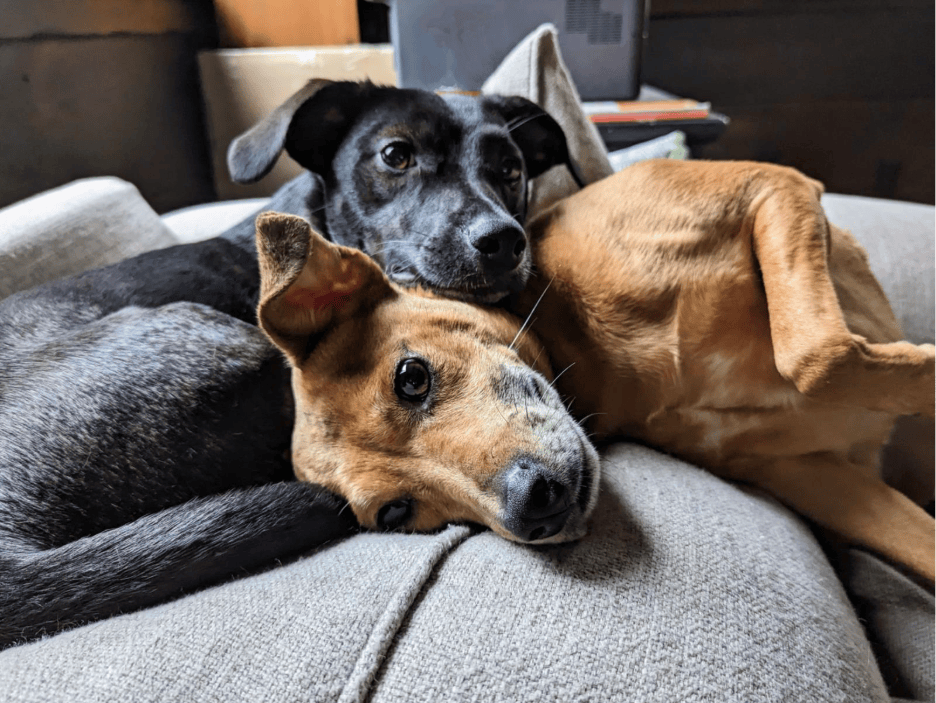
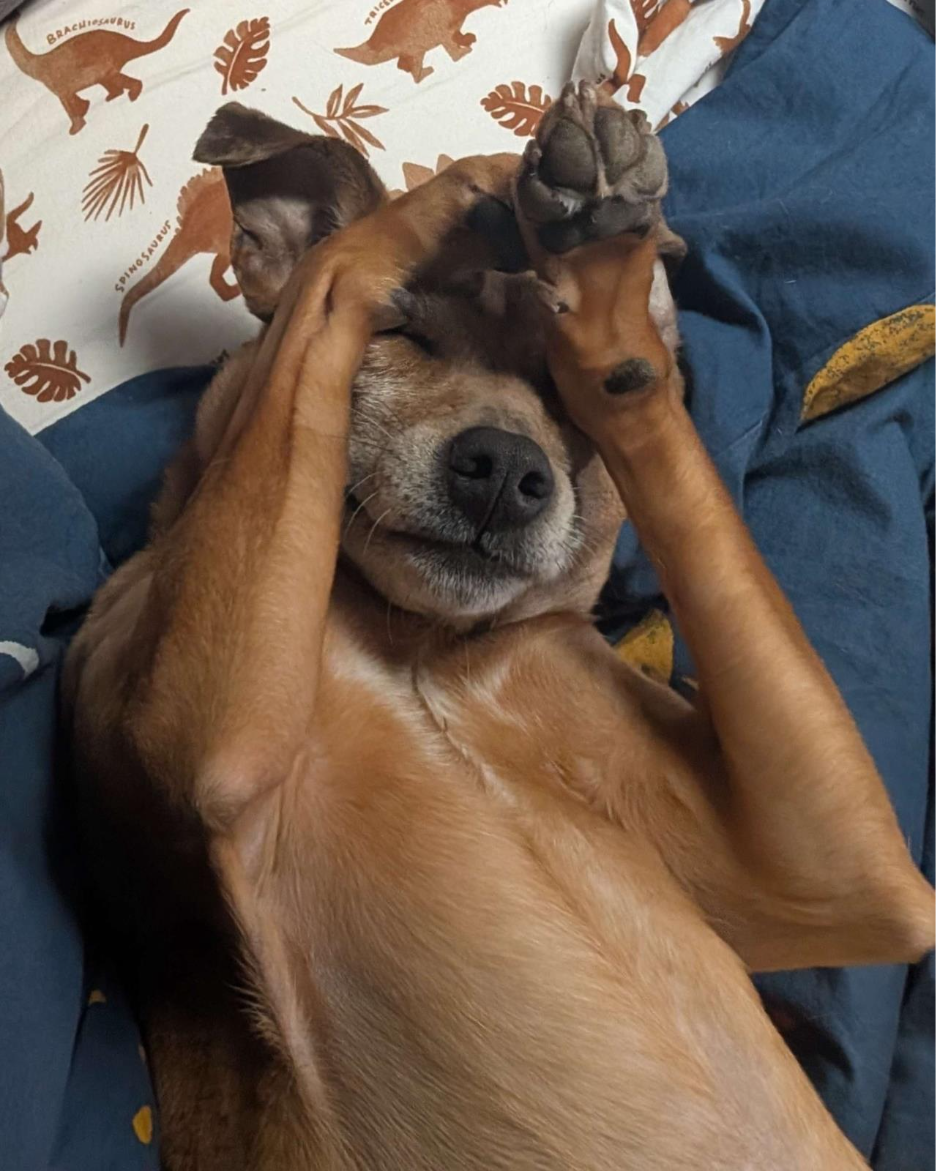
Meet Melon and Fig Newton. Melon enjoys cuddling her stuffed animals, sunbathing, and pushing Fig down the stairs. Fig Newton likes marching around with his toys, practicing fancy tricks, and eating. They’re delightful little beasts that I love more than I can put into words. This is the story of how I got them to Ireland.
When I got accepted to University of Limerick for my masters, my partner and I had no family or friends able to take the dogs for the year, so we set about bringing them with us. I am writing this as a student coming from the United States, so this is by no means a universally applicable story.
This experience was stressful, but, if it is feasible, it is totally worth it!
The first step was to find housing which can be difficult enough for a single person, let alone two adults and two dogs. Going into this, we knew we would have to be flexible. We were not likely to be close to campus, and our budget would likely be tight. And it is here I have to say that without the Off Campus Accommodation Officer, Peter Thompson this would have been nearly impossible. With their help and a lot of serendipity, the stars aligned and we found a place after seven months of searching.
We were given about six weeks’ notice in mid-June before our move-in date at the end of July to complete the tasks necessary, I will account these below:
- USDA Certified Vet
- Hiring a Transport Company
- Hiring a Customs Agent
- Registering Your Dog in Ireland
- General advice and takeaways
The first task was to find a USDA certified vet, which we began looking for about 6 months before our estimated move date. The vet MUST be USDA certified to conduct the exams and paperwork. I recommend asking your personal vet if they know anybody because, “the government website hasn’t been updated in about 15 years,” a quote from a lovely vet tech who I spoke with on my seventh or eighth cold call.
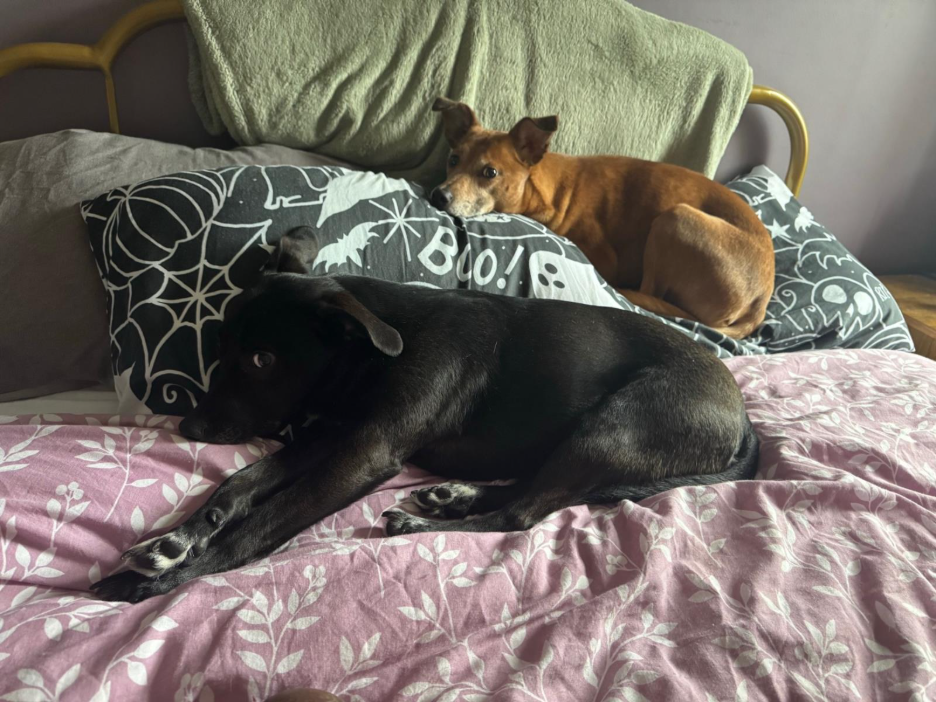
In the end, we found a fantastic vet who explained the process of moving dogs from the US to the EU required two appointments. First, where they scan your dog’s microchip and give a rabies booster. They will fill out a certificate associating the rabies booster with the microchip number for the receiving agent in the EU to confirm. The second, takes place less than 5 days before you travel; the vet will fill out the USDA paperwork and file it, as well as administering an oral tapeworm treatment.
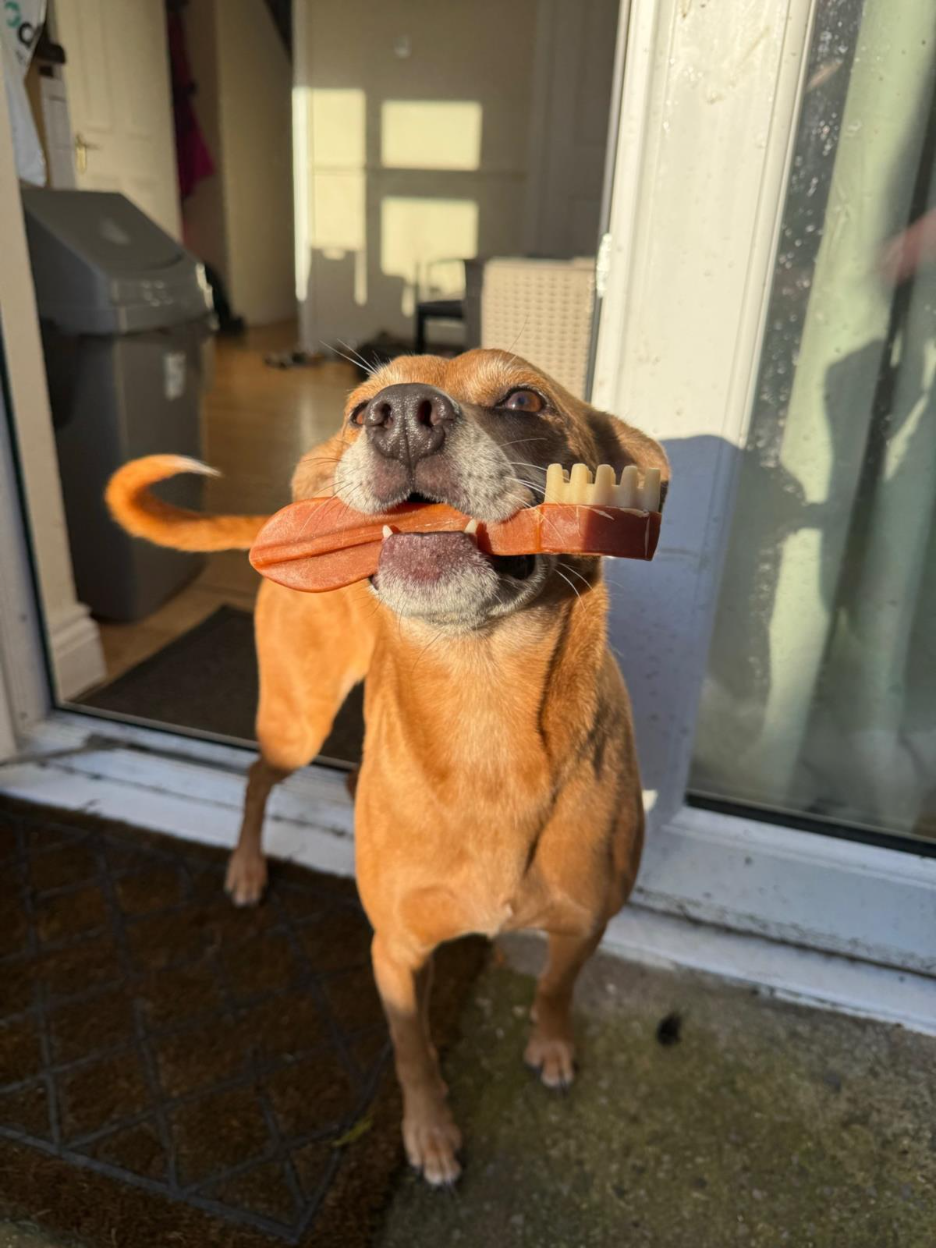
If your dog is like Melon, they will clench their jaw so tightly it requires three vet techs to wrench open and then they will spit the pill out two or three times for good measure, or your dog may be like Fig Newton and with shark like speed and accuracy snap up the pill and then beg for another like it was the fruit of the gods, or maybe your dog is normal.
The cost for the appointments are highly variable coming down to pricing by individual practices, so being in the tristate area it was rather pricey.
With two veterinarian endorsed canines, we now had to get them on the airplane.
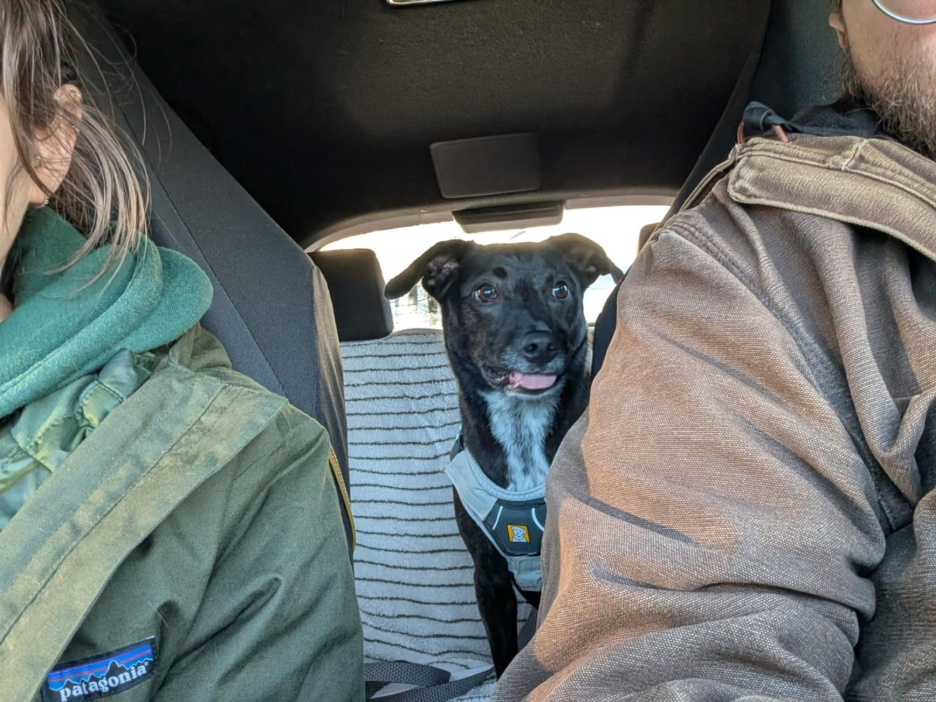
This is where I, with complete honesty, nearly lost my mind. Too big to ride in the cabin we had to hire a transport company, and this is where I made the mistake of going for the bargain. Aer Lingus works with IAG Cargo for their livestock transport, and I had reached out to other companies, but they quoted me double what IAG had.
HOWEVER, the far lower price tag came with a lot of headaches. They bumped us three times from flights, as they kept booking hazardous materials like dry ice which they gave priority to over the dogs which they had already been paid to transport on said flight. The end was nigh, well the end of July, and having been bumped so many times we were now at risk of losing our lease.
To transport a dog, it is legally required a person associated with the dog to be on the same flight, and very luckily my mom stepped in and agreed to fly with them whenever the next flight they could get on was. So, my partner and I went off to Ireland and waited, only three days, luckily. IAG pulled a few more tricks before Melo and Fig Newton were loaded into the pressurized cargo hold, including making us buy crates from them as they claimed the dog’s crates were too small despite us having bought the airline approved models in the size recommended by our vet, I digress…
Finally, along with booking the transport company we had to book a customs agent to meet our dogs on the other end, as far as I know this step is mandatory. Without Pets Multi Cargo this process would’ve been more difficult to navigate, as our agent gave us great advice along the way, a lot of which I am writing about here. The customs agent is another fee on top of vet and transport, but far less expensive than the other two. At costume, the agent will ensure the paperwork lines up and give your dog a brief exam to make sure they’re in good health.
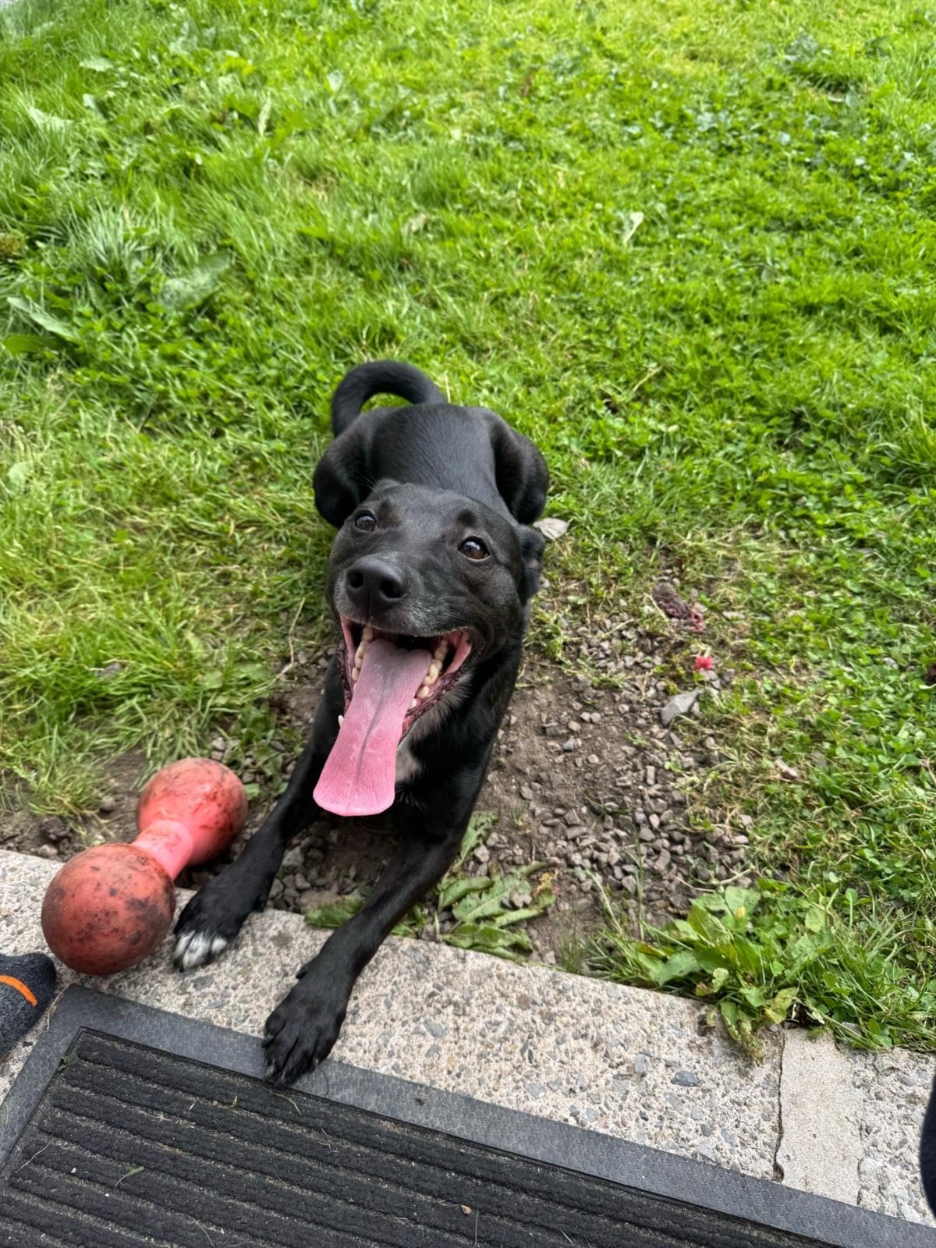
Once your dogs arrive all you need to do is register them at your nearest post office for a small fee, and they are officially legal quadrupedal residents!
If you take anything from this story it is start early, budget way more than you think you’ll need for this process, and have copies of your dog’s paperwork in each of your bags as well as in a folder taped to their crate.
Melon and Fig’s big adventure came to an end, I had been so worried I had permanently traumatized them by dragging them over an entire ocean, but they arrived to us tails wagging ready to sniff every inch of their new abode. They continue to enjoy their favorite hobbies and endorse the lack of snow, but Fig Newton would like it to be known he hates the rain!








Leave a Reply