
I quit medical school in Iran to immigrate to Canada. After 9 years, I moved to Ireland to start my medical School in University of Limerick, Ireland.
After having immigrated in my adult life once already, one thinks long and hard before immigrating to another country in their adulthood – again, in my case. Below are my tips and advice:
Plan and be prepared but Don’t overthink it:
- 1st question on your mind might be residency. Matching back. know that regulations change. IMG pathways change & there are new pathways to work in the filed you are interested in.
- Ireland’s system is different. Working culture might be different than Canada. You may not know your exact schedule 4 weeks in advance – you’ll know the general schedule, but things come up like lectures, vaccination clinics and health screens and random assignments/reflections that are due in the next few days. You’ll be given notice but might need to stretch your brain in a new way. It’s also great practise for various tasks that come up when you’re a doctor – charting, paperwork, meetings, referrals, etc.
General overview of the programme:
Weekly schedule:
- X2 PBL (problem-based learning): in 1st year they are on Tuesdays (3 hours) and Fridays (2 hours). In 2nd year, they are on Mondays (3 hours) and Thursdays (2 hours).
This is where you meet your group for the semester. You have 3 PBL groups per semester. You’ll about a case e.g. Pneumonia.
Then, discuss patient’s presentations, symptoms, what do you think may be causing it, what investigations/test/diagnostics are relevant, how would you go about differential diagnosis, etc. you’ll come up with sets of Learning Objectives for next sessions (LOs), eg pathophysiology of pneumonia (what causes it and how it comes to be in the body). You’ll learn these LOs until the next PBL session and usually there is a raffle system or draw to choose who does which LOs, you’ll come up to the board, draw a diagram and explain your understanding of those questions.
If you’re in a good PBL group, your group listens to you respectfully, does not interrupt much until you ask for them, and helps you out with additional notes if you have forgotten anything or if they came across something new. This way, you all help each out in learning the subject. And this is where the magic happens: every time someone has said something in PBL, it has stuck with me. Last time, someone said the name of a drug reminded them of Pizza and that stuck.
X2 clinical skills:
2 hour sessions (could be done earlier depending on the skill). You’ll work with model,s take histories from each other and go through hands-on examinations, its exam is called OSCE in Canada but also OKC in Ireland.
I had heard that UL is one of the universities that starts its clinical skills very early and it has very high rates (well above 90%) on Step 2 USMLE. This goes on to say how well they prep you for clinicals. I also noticed how comfortable I am taking histories from patients or explaining my line of thought to a physician I was shadowing in Vancouver. I think UL Med does a good job of drilling the clinical skills into your brain.
You won’t have an OSCE in December, but you’ll have one in late February/early March. Then another one in June. Usually 6 station for each exam.
X2 Anatomy classes:
1 anatomy practical: this happens early in the wee. A collaborative lab session in which you know the goals to learn, have anatomage table and histology tests on a computer in the anatomy lab. You work with each other. A flexible session but they have improved over the 2 years I have been here and I find them a lot more helpful in my 2nd year. Goals are much clearer and the anatomage quiz helps us work well with each other and find the answers to the structures marked.
1 anatomy tutorial: happen towards the end of the week. 2 lecturers, each half an hour.
Wednesday lectures – not mandatory attendance but useful.
The 3rd anatomy lecture happens on Wednesdays.
Professional competencies (ethics, Psychology, Sociology, Public Health, Biostat, etc).
Sometimes certain clinical skills could be scheduled on a Wednesday but that rarely happens. In 1st year we had a radiology session for 1 hour on a Wednesday.
Why did I choose to study in UL:
- I wanted a small city, not a big city.
After living almost 10 years in Vancouver, I opted for a smaller city option during my medical school in Ireland.
Don’t get me wrong, Dublin has wonderful universities too. I wanted a smaller city experience that was closer to my own home city in Iran. Somewhere that was large enough to have amenities and facilities but not too large to lose a sense of community.
My thought process was that I needed to feel a place could be home, especially during 4 strenuous years of medical school.
I also thought that there may be more support available for individual students.
Close community means:
- Close knit community among medical students: when living abroad, uncertainties around matching back, you need your peers. Being able to build that sense of “we’re in it together” was crucial.
- Getting to know different regions/areas better and having better networking.
- More support from university officers & departments such as finance, medical faculty, student officers.
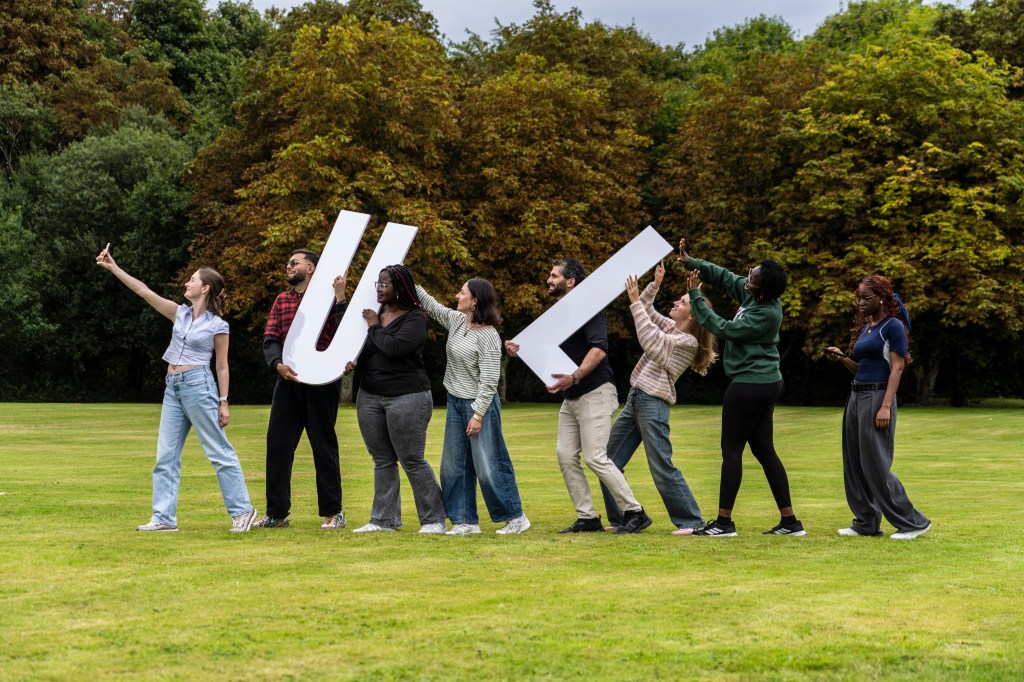
- UL Student Life’s motto is Belong to the Pack, and that resonates with everything they do. I have never experienced such 1:1 support from a university before.
- Student life officers.
- Financial Officers that help you budget, apply for grants
- Numerous clubs and societies and people are very supportive of each other. You won’t feel alone.
- Library services, maker’s space.
- Close to Galway: Galway is a small, artistic city with numerous visitors. It also has an Iranian restaurant which I got to try during Christmas.
- UL has been very open to new ideas. I have had the pleasure of working with UL Global team as an ambassador.
- A creative team who is very much open to new ideas especially on cultural celebrations. There are several events each month, including cultural and New Year’s celebrations. You don’t have to be an ambassador to participate in these.
- As an ambassador, you’ll get to participate in certain events + training event + tours + especial projects (varies). You will be asked to make at least 2 pieces of content and participate in certain events.
- Last year in, in March 2024, we got to organize the first Norouz event with UL Post Grad Union President, which was absolutely lovely and I’m looking forward to it becoming more elaborate in the future years.
- PVA Awards: you’ll get to choose and take part in volunteering opportunities. You’ll get volunteering hours for them and log in them. When you reach certain hours eg 20, 40, 60, you’ll be awarded Bronze, Silver, Gold awards in a lovely ceremony.
- Residency match & USMLE: the school does have some support on USMLE resources, and we have a module/workshop on Monday evenings 6-9 pm (voluntary). Mostly, the skills and tips come from upper years. Everyone could be different. Aim is to take the exam in July before your 3rd year clinical rotations start; however, some people take it later.





Leave a Reply