
Facing the Cold: My First Week at UL
My first week at the University of Limerick did not begin in a classroom.
It began in the cold.
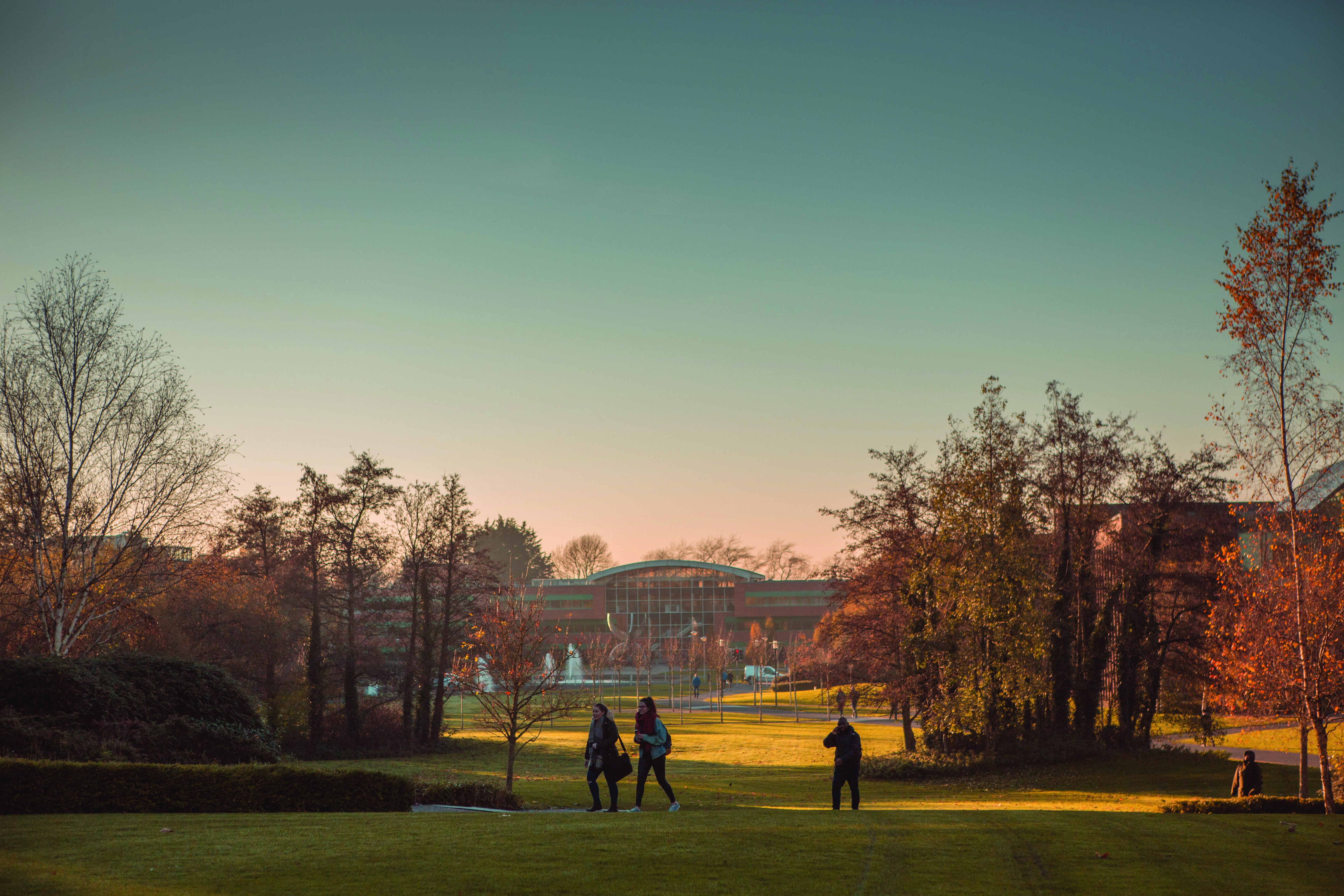
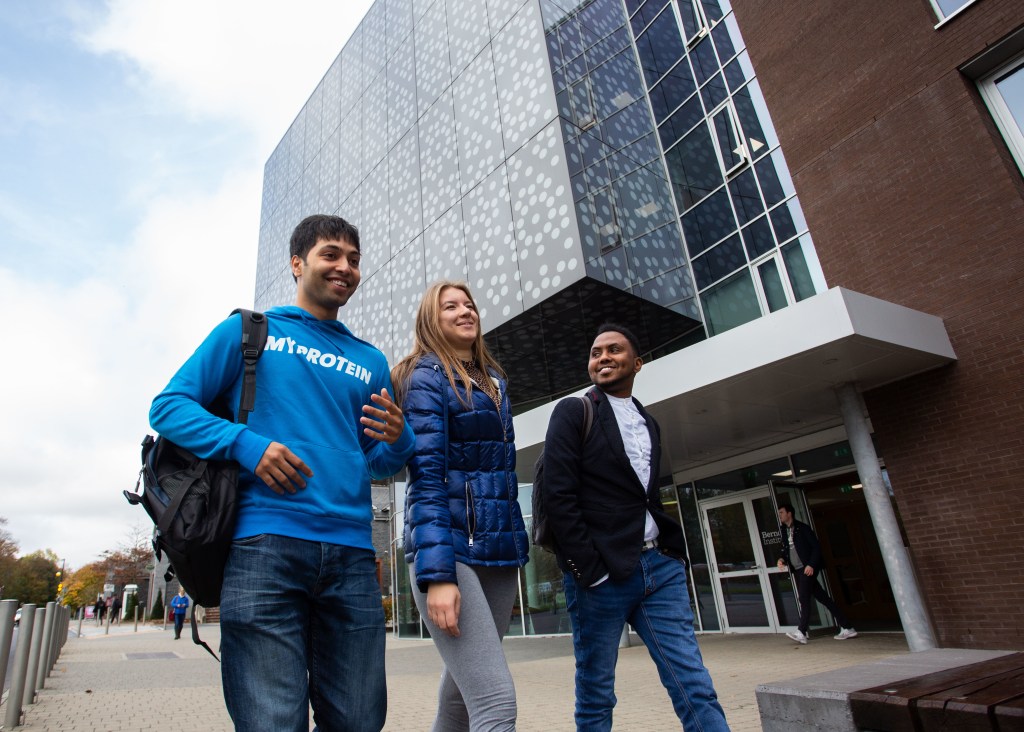
Everything around me felt unfamiliar the quiet streets, the grey autumn sky, and the sharp cool breeze that seemed to move straight through my thoughts. Coming from a part of the world where warmth is constant and comforting, this contrast felt deeper than weather alone; it carried an emotional weight. At times, the wind was so intense that stepping outside without a thick sweater, a raincoat, waterproof shoes, and an umbrella felt almost impossible.
In those early days, the cold quietly shaped my state of mind. It made me withdraw, hesitate, and question my readiness for this new chapter. Instead of feeling excited about lectures and learning, I often felt alone, disconnected, and strangely distant from the very purpose that had brought me here. The university buildings stood ready, full of opportunity, yet I was still searching for a sense of warmth both outside and within
Gradually, I began to realize that the real challenge of this first week was not only the unfamiliar climate or the distance from home. Beneath these visible adjustments, a deeper transition was unfolding that I was stepping into an academic culture that demanded new ways of thinking, writing, and learning. And as the days moved from orientation into coursework, the emotional quietness of that cold beginning slowly gave way to questions about whether I was truly prepared for the academic journey ahead.
That was where the real struggle began.
When Effort Was Not Enough
The shift toward academic reality arrived quietly, through the feedback of my first assignment.
I had approached the submission with a familiar confidence, relying on the writing habits and study methods that had always worked for me before. In my mind, sincere effort and careful completion felt sufficient. The grading rubric was there, of course, but I moved past it too quickly, almost assuming that understanding the task was the same as understanding the expectations behind it.
When the feedback returned, it was not disastrous.
Nothing dramatic.
No complete failure.
But the page was marked with corrections, comments, and small signals that something essential had been missed. I had passed, yet only just. A borderline result that carried a quiet message: this way of working would not be sufficient.

What made the moment difficult was not the grade itself, but the realization beneath it. For the first time, I sensed a gap between effort and academic understanding between doing the work and truly meeting academic expectations. The confidence I had carried into the semester felt less certain, replaced by a growing awareness that I was still standing at the surface of a much deeper learning process.
Amid the uncertainty, I stood where moving forward in the same way felt impossible, the road ahead blurred and unclear, yet somewhere deep within, a soft voice whispered that I should remain, that this was where growth would begin.
The Moment Things Began to Make Sense
The change did not arrive dramatically.
It began in a library session on referencing.
I remember sitting there, listening to what once felt like small technical details — citations, sources, academic integrity, the structure behind an argument. Yet something subtle was happening beneath the surface. Piece by piece, the earlier feedback on my assignment started rearranging itself in my mind. Comments that had seemed scattered now pointed in the same direction. Expectations that once felt invisible were slowly becoming visible.
So, this is what they meant…
Not just writing — but positioning an idea.
Not just effort — but evidence, clarity, purpose.
It was a quiet realization, but a decisive one.
For the first time since arriving at UL, confusion gave way to a sense of orientation.
Not certainty but direction.
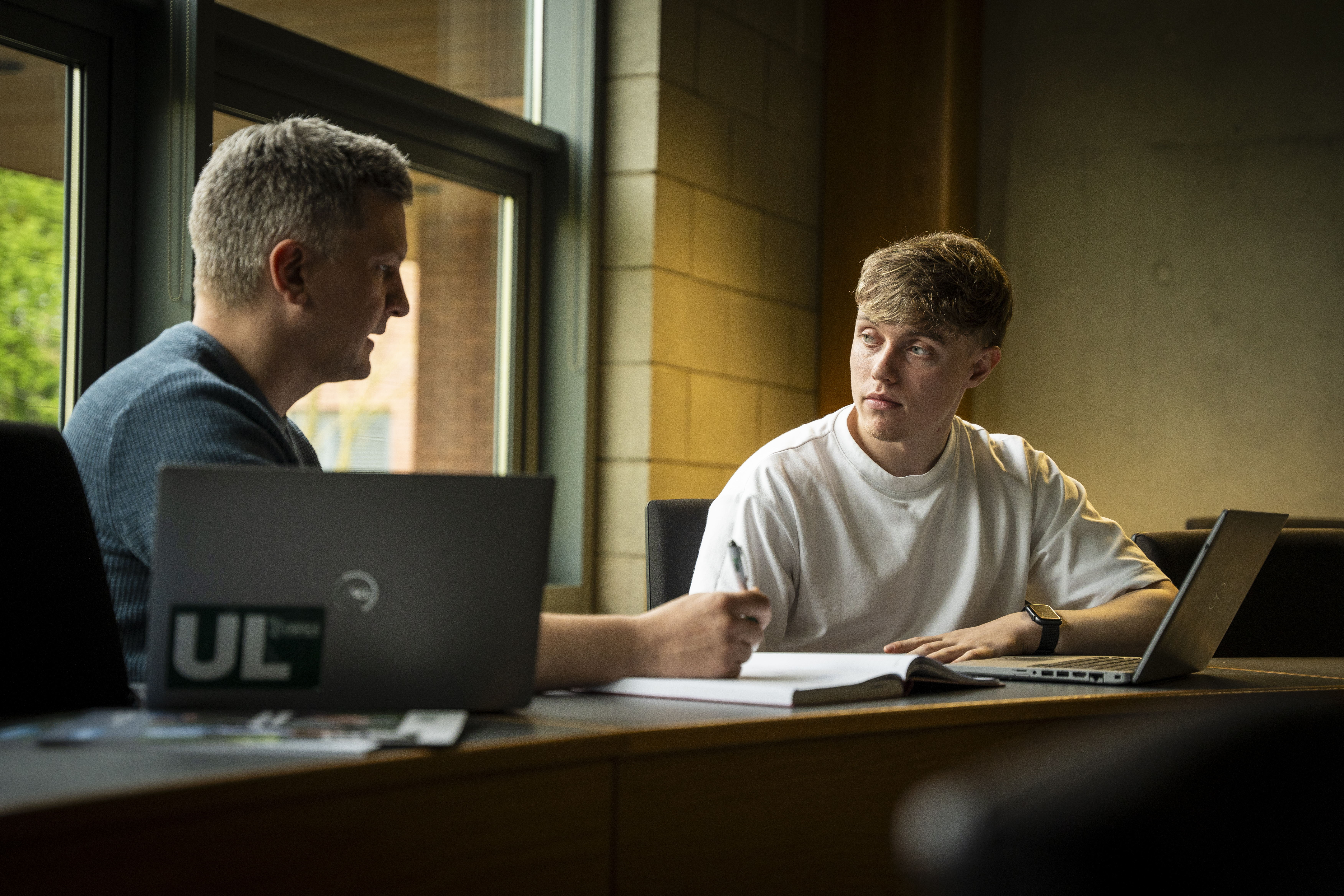
From that point, my approach began to shift in small, deliberate ways. I started reading grading rubrics with real attention, almost as maps rather than formalities. I arranged one-to-one conversations with module leaders to understand what strong postgraduate work truly looks like. I sat with peer tutors, asking questions that I might once have kept to myself. Around me, the library was no longer just a place to sit; it became a place to learn how learning here actually works.
The sessions themselves formed a kind of quiet curriculum beneath the official one —
Assignment Unlocked,
Search like a Scholar,
Find It Fast,
Referencing Basics,
and even an introductory workshop on EndNote.
Each offered something slightly different, yet together they revealed a pattern: academic writing was not a mystery reserved for a few, but a skill that could be understood, practiced, and gradually strengthened. Books that once felt overwhelming became reference points. Guidance that once felt optional became essential.
And somewhere in this steady process, another internal shift was taking place —
Maybe I am not behind.
Maybe I am only beginning to see the rules of the game.
Maybe this is what learning at this level is meant to feel like.
This was not yet confidence.
But it was no longer confusion.
The Slow Rise into Confidence
The real evidence of change appeared in my next submission.
This time, I approached the assignment differently not with hurried familiarity, but with careful awareness. I returned to the earlier feedback, noticing patterns I had once overlooked. Corrections became instructions. Rubrics became guides. Conversations with lecturers and peer tutors echoed quietly in the background as I wrote, almost like steady reassurance: clarity… structure… evidence… purpose…
When the feedback arrived, the difference was unmistakable.
What had once been major corrections were now minor refinements.
One module, in particular, carried a single word that felt larger than the page itself: “Excellent.”
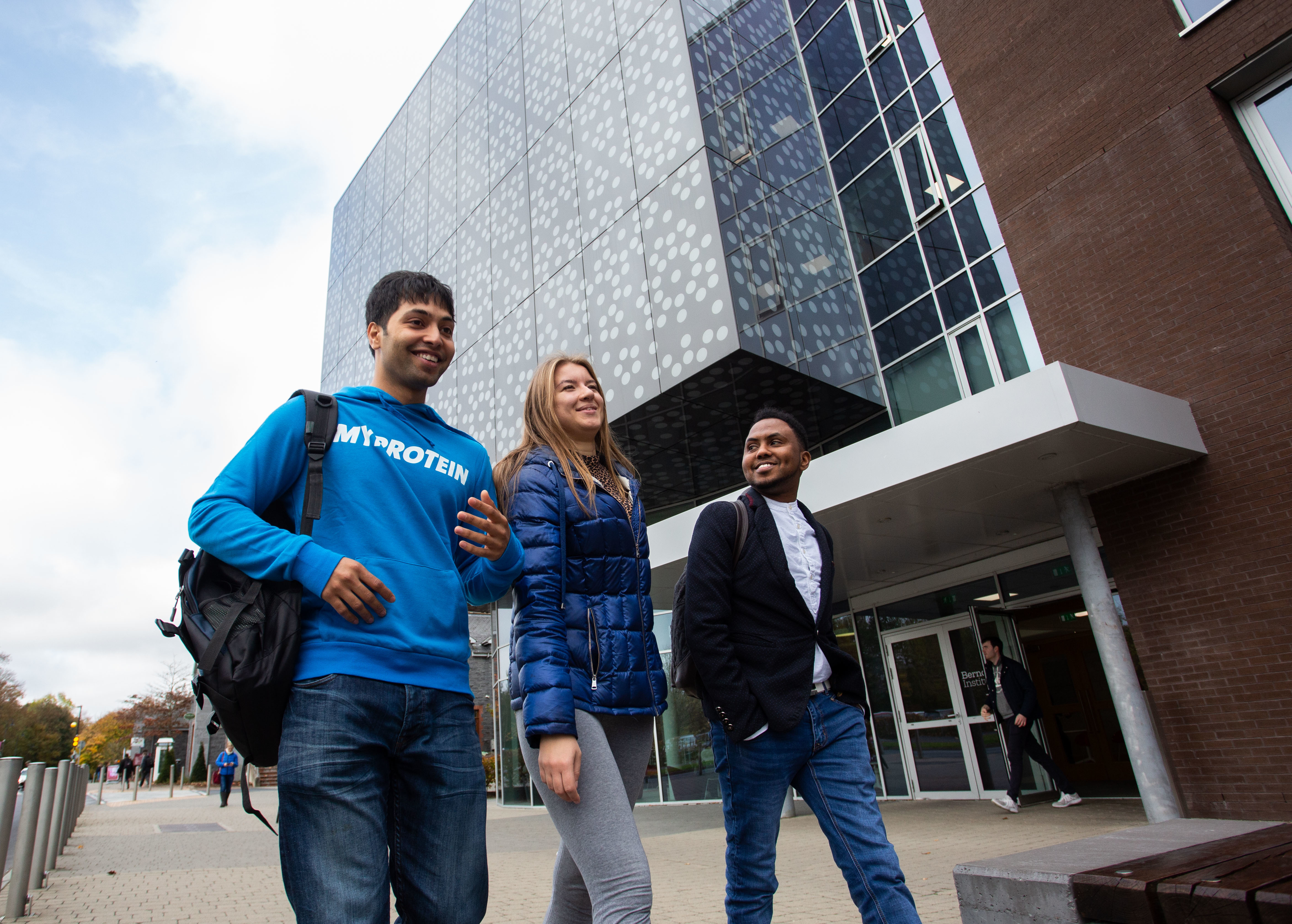
For a moment, I could hardly believe it. Not because the outcome was flawless, but because the path to get there had felt so uncertain. I remember a strange lightness, a quiet joy, and a shift from just managing to genuinely wanting to learn. Real growth, I realized, creates a spark like an energy that transforms pressure into curiosity and possibility.
Yet the rise was not without strain. There were days of exhaustion, evenings where time felt insufficient, and moments when approaching deadlines stirred a quiet heaviness. At one point, the weight of everything felt close to despair, and I chose to reach out to UL Counselling Services. What I encountered there was a genuinely safe and comfortable space to speak openly about my concerns and challenges while receiving professional support. I felt understood rather than judged, and that understanding itself brought a quiet sense of relief. Amid academic pressure, this experience reminded me that seeking support is not a sign of weakness, but an important step toward well-being and resilience.
Looking back, those early experiences no longer appear as hardships; they feel more like moments of unfolding understanding.
The cold that once held me back was, in its silence, teaching me attentiveness and preparation.
The loneliness that seemed to distance me from learning was, in truth, directing me toward connection, guidance, and shared support.
The borderline feedback that shook my confidence was not an ending, but a doorway into deeper academic awareness.
And the confusion that defined the beginning was gradually giving way to a clarity I had not known how to seek prior.
What first felt like adversity slowly became direction not because the challenges disappeared, but because I learned how to face them using the support, guidance, care, and resources available at the University of Limerick.
Step by step, the unfamiliar became manageable.
Effort turned into real understanding.
And uncertainty, quietly, began to move forward.
This semester did not only test my academic ability.
It taught me how to begin again with awareness, support, and the courage to keep going.




Leave a Reply