

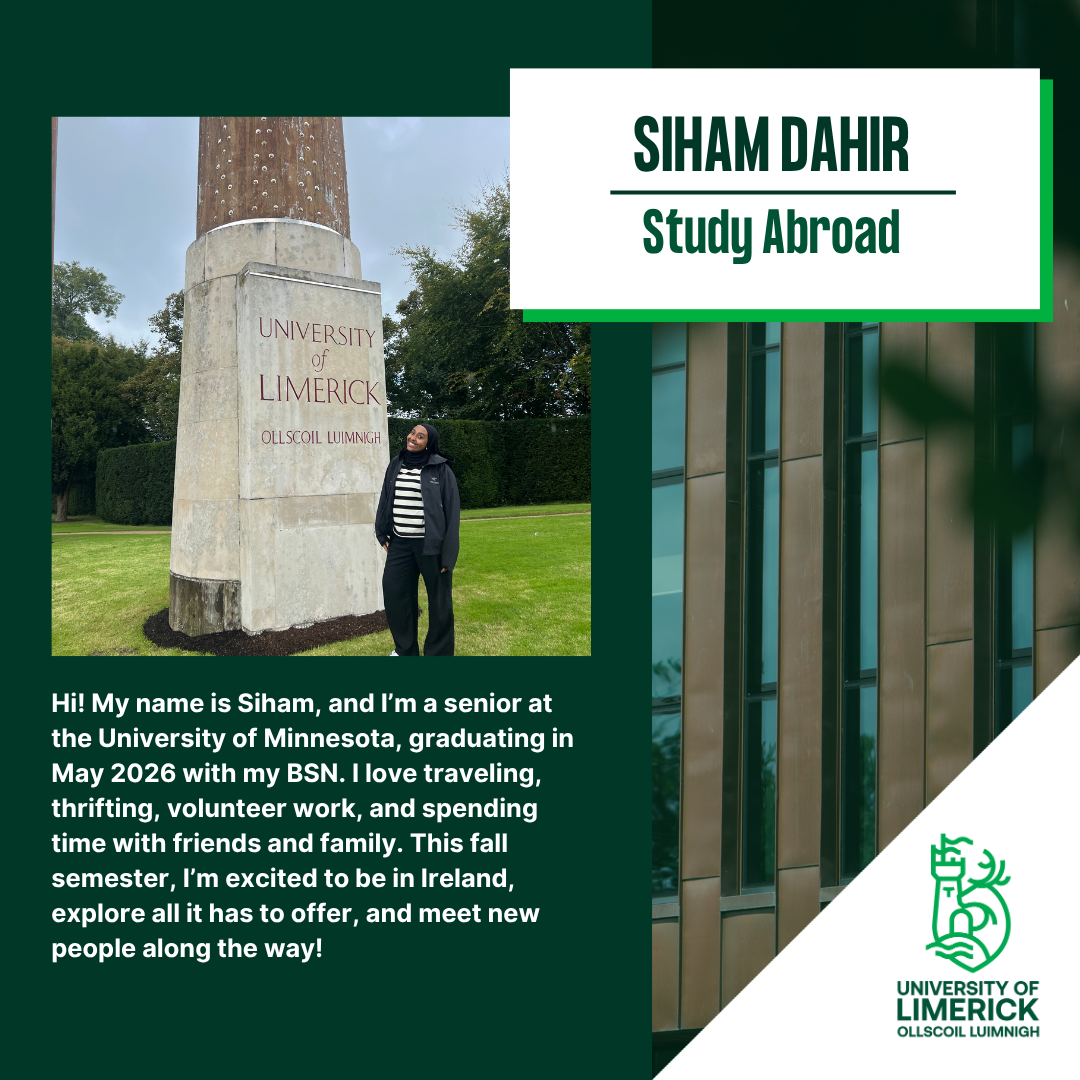
If you had told me a few months ago that I’d be doing my nursing clinicals in Limerick, Ireland, without a car, without my usual coffee stop, and adjusting to a whole new set of accents that sometimes made me pause to process what was said, I would’ve laughed and said, “That’s bold of you to assume I can survive without my own transportation.” Yet here I am, thriving, bus-riding and learning more than I ever expected as an American-trained student nurse abroad.
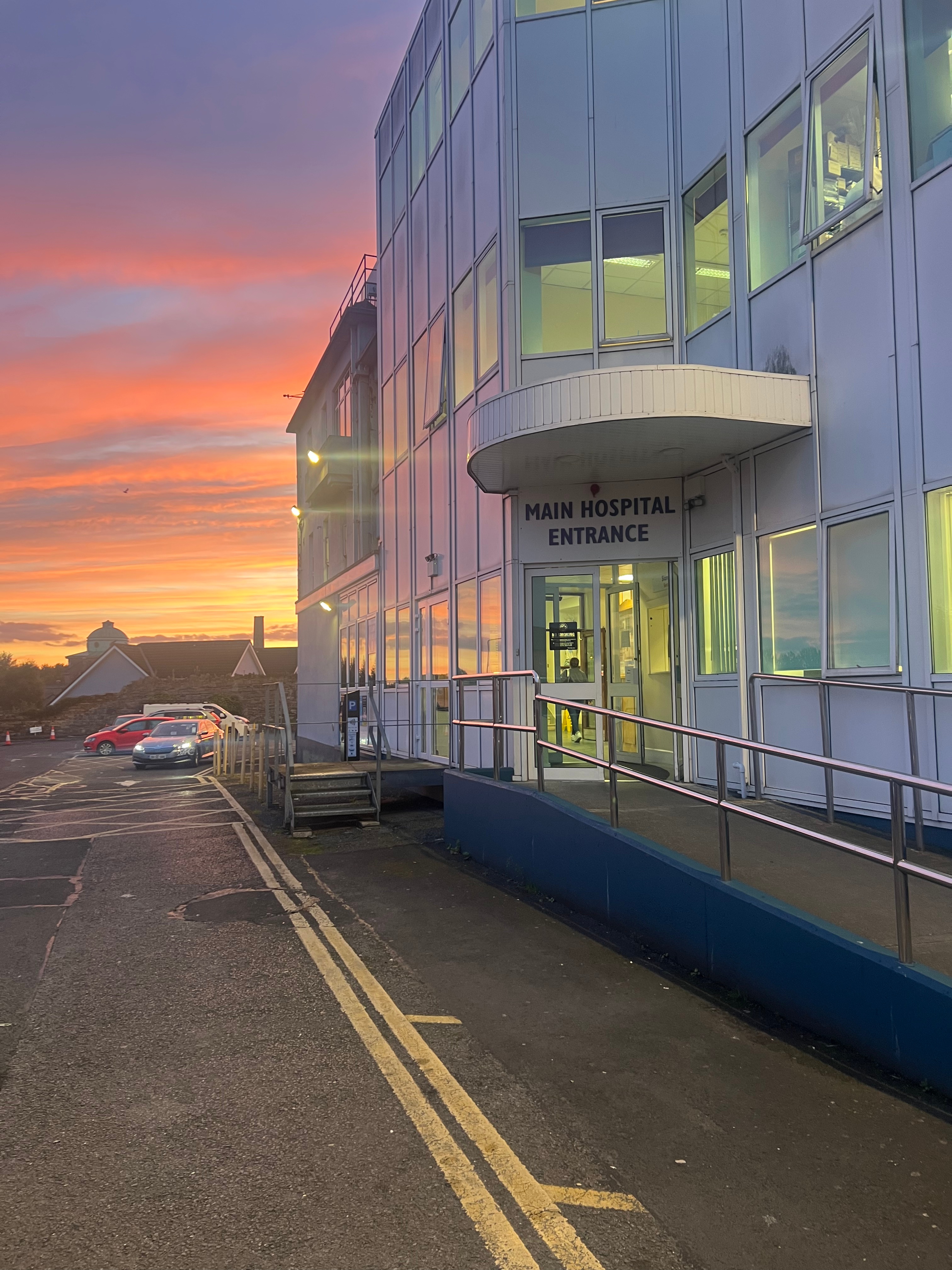
On my very first day at the small hospital in Limerick, I arrived bright and early, ready to observe and settle-in slowly. But Ireland had other plans. I walked onto the ward, and before I could even say, “Hi, I’m the Minnesota nursing student from the University of Limerick,” I was sent straight into a patient room to follow the nurse I was partnered with. No warm-up, no briefing, just straight into the action. And let me tell you, my jaw nearly dropped when I realized there were six patients sharing one room. Six! Coming from the U.S., where most patients have private rooms (and where even a roommate situation feels like an ancient relic), I was dumbfounded that this still existed post-COVID.
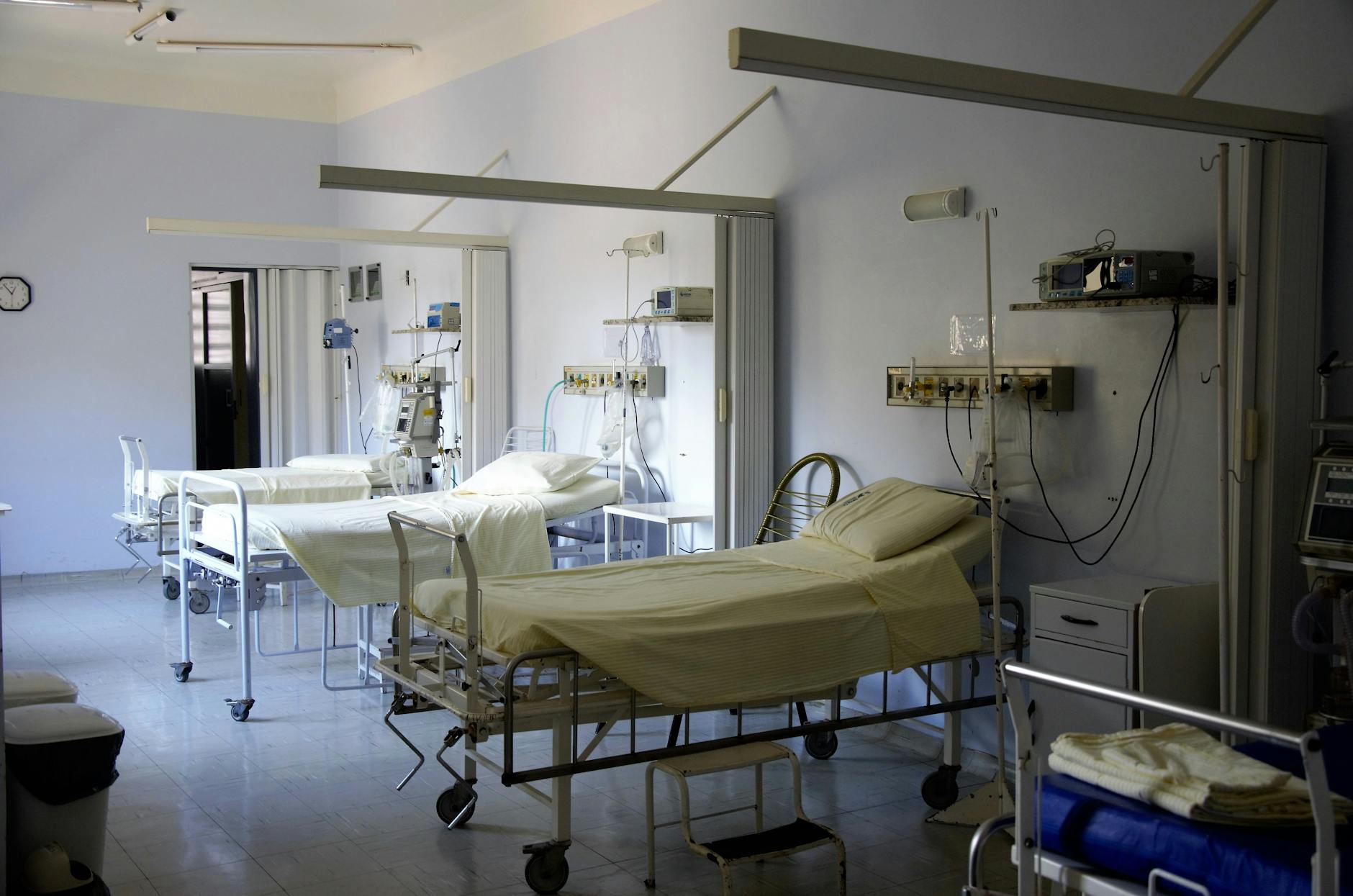
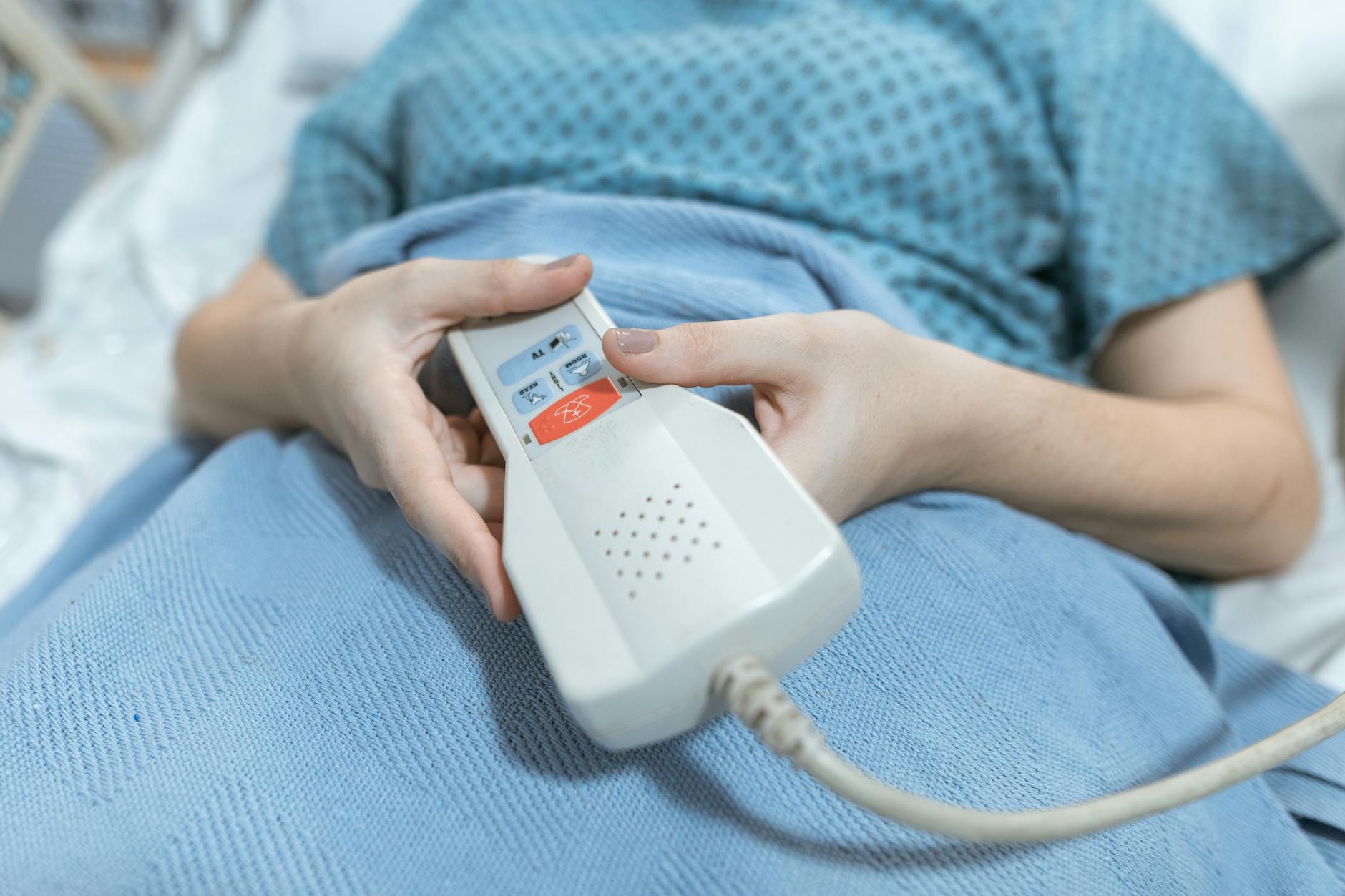
At first, I was a little uneasy. But then something unexpected happened. It felt nice. The patients were chatting, laughing, and keeping each other company. The room felt alive. And the biggest shocker? The call bells hardly ever went off. In the hospitals I’m used to, there’s always a symphony of call bells coming from at least one of the 24 patient rooms on the unit. But here, silence. Pure, peaceful silence. It turns out that when nurses spend more time in the rooms, patients feel more at ease and cared for. So much so that I didn’t hear imaginary call bells ringing in my sleep for the first time in years. That’s a big win.
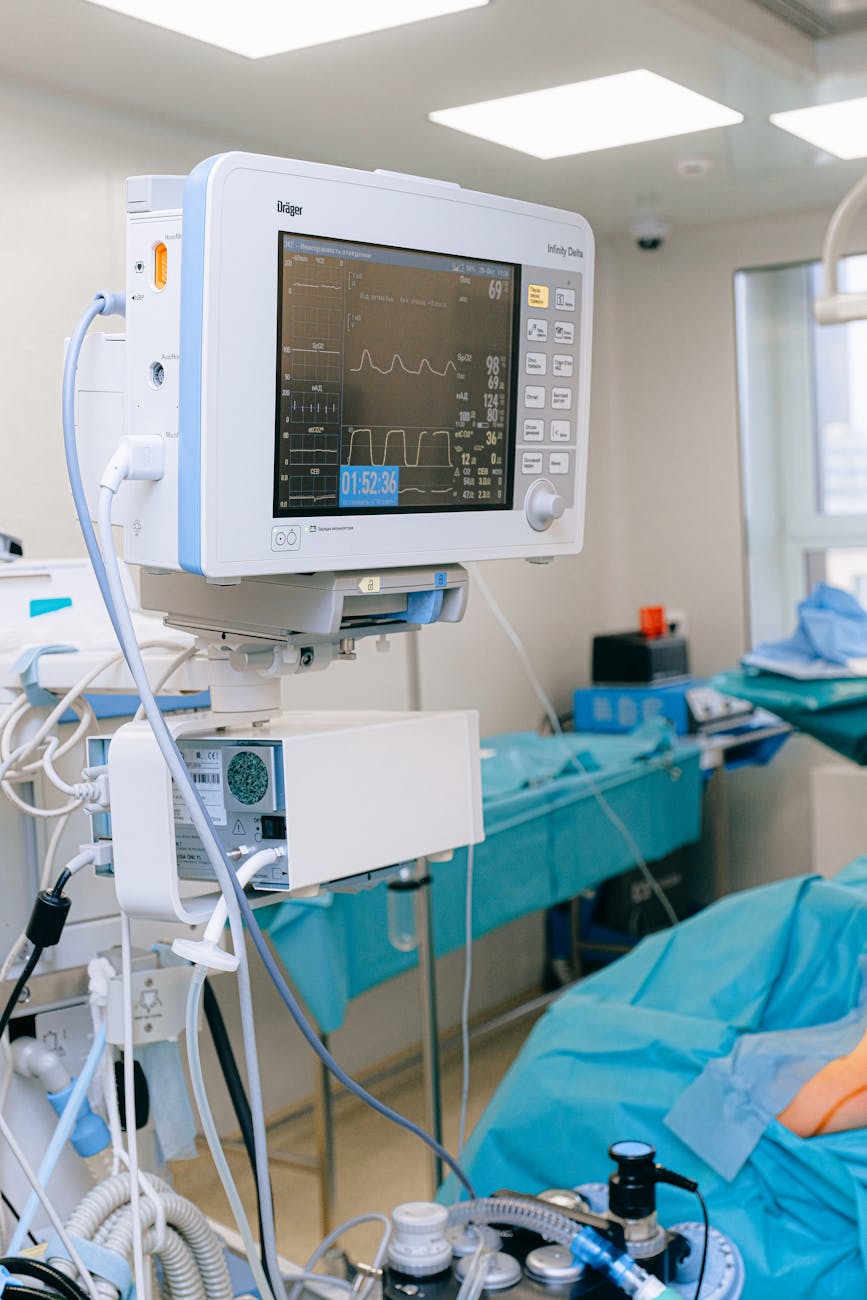
Of course, no international clinical experience would be complete without a little “lost in translation” moment. I’d like to think that after four years of nursing school, I know my way around the basics, but apparently, I don’t know everything. The first morning, my nurse told me, “Can you go get the obs in the other ward?” I blinked. “The what?” She looked at me, slightly alarmed, and then showed me the machine she meant. I burst out laughing. “Oh, you mean vitals! I know how to do that!” We both cracked up, and she admitted she was initially concerned that I had no idea how to take vital signs. Not my proudest linguistic moment, but we recovered quickly.
Then came another cultural curveball: the “breakfast break.” Around 10:30 a.m., the nurse in charge looked at me and said, “You can head off for your breakfast break now.” I just stared at her. “My what?” She explained that we get both a breakfast break and a lunch break. Two separate, uninterrupted breaks in an eight-hour shift. I was in disbelief. In the U.S., we’re lucky if we get one quick bite between all the charting and call bells, but here, nurses can sit, eat, and actually breathe twice in an eight-hour shift. This is revolutionary.




 Study Ireland - Stories & Guides from International Students
Leave a comment