

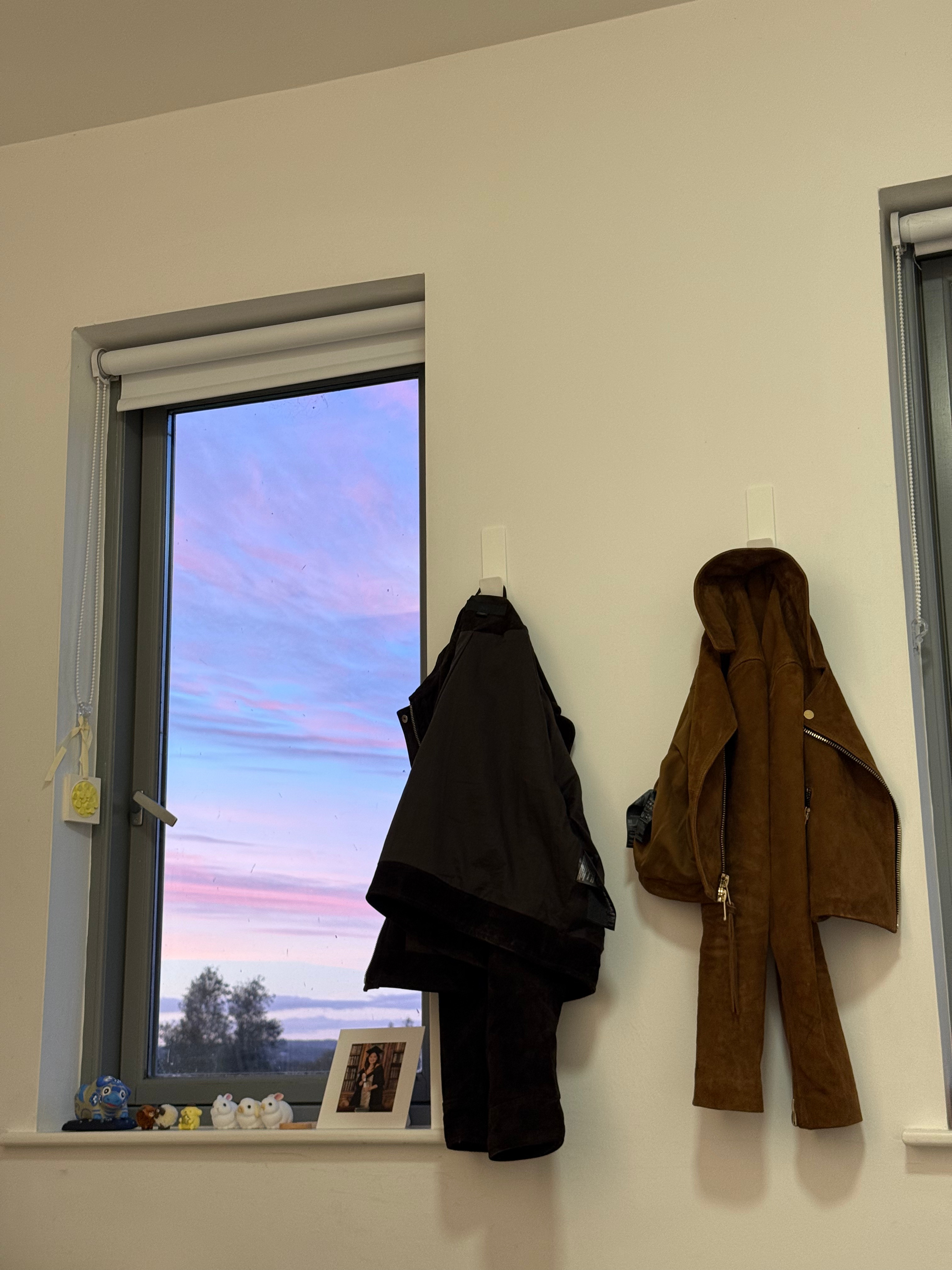
It’s a tranquil afternoon. I’ve just finished a shower after the gym and am now sitting at my desk on the top floor of Dromroe Village, overlooking Thomond Bridge. This is my third autumn at UL, and the beauty of nature here never ceases to amaze me.
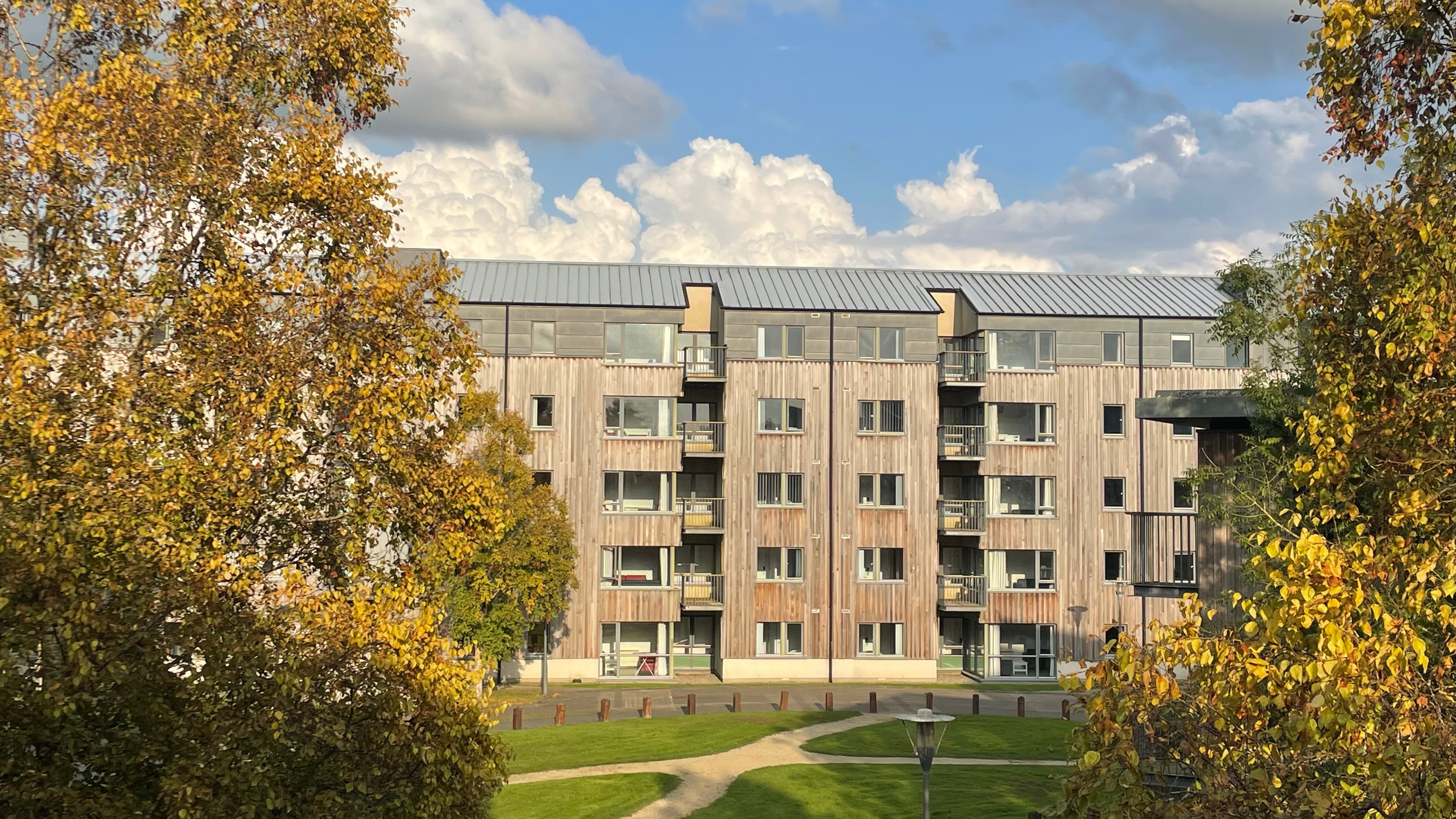
Aside from the new Student Life building, not much has changed externally over the past few years. But internally, I’m in a completely different place. The most common question I’ve received lately is:
“How did you get into your PhD programme?”
I know many of you love UL and want to stay longer—I’ve been there too, and I totally understand. So, I’d like to share my journey in hopes that it might help you.
Me Before UL
I hold a 2:2 BSc in Geology and Physical Geography (Hons) from the University of Edinburgh (yes, I’m still a bit embarrassed to talk about this sometimes—it’s not always rainbows and flowers), a 2:1 MSc in Built Environment: Sustainable Heritage from UCL, and nearly three years of experience at an urban planning institute in Beijing. During that time, I taught myself Python for data analysis and discovered that I was more interested in software development than in my previous field.
The honest reason I chose UL over UCD and NUIG (which also offer CS conversion courses) wasn’t deep at all: I was fascinated by UL’s stunning campus.
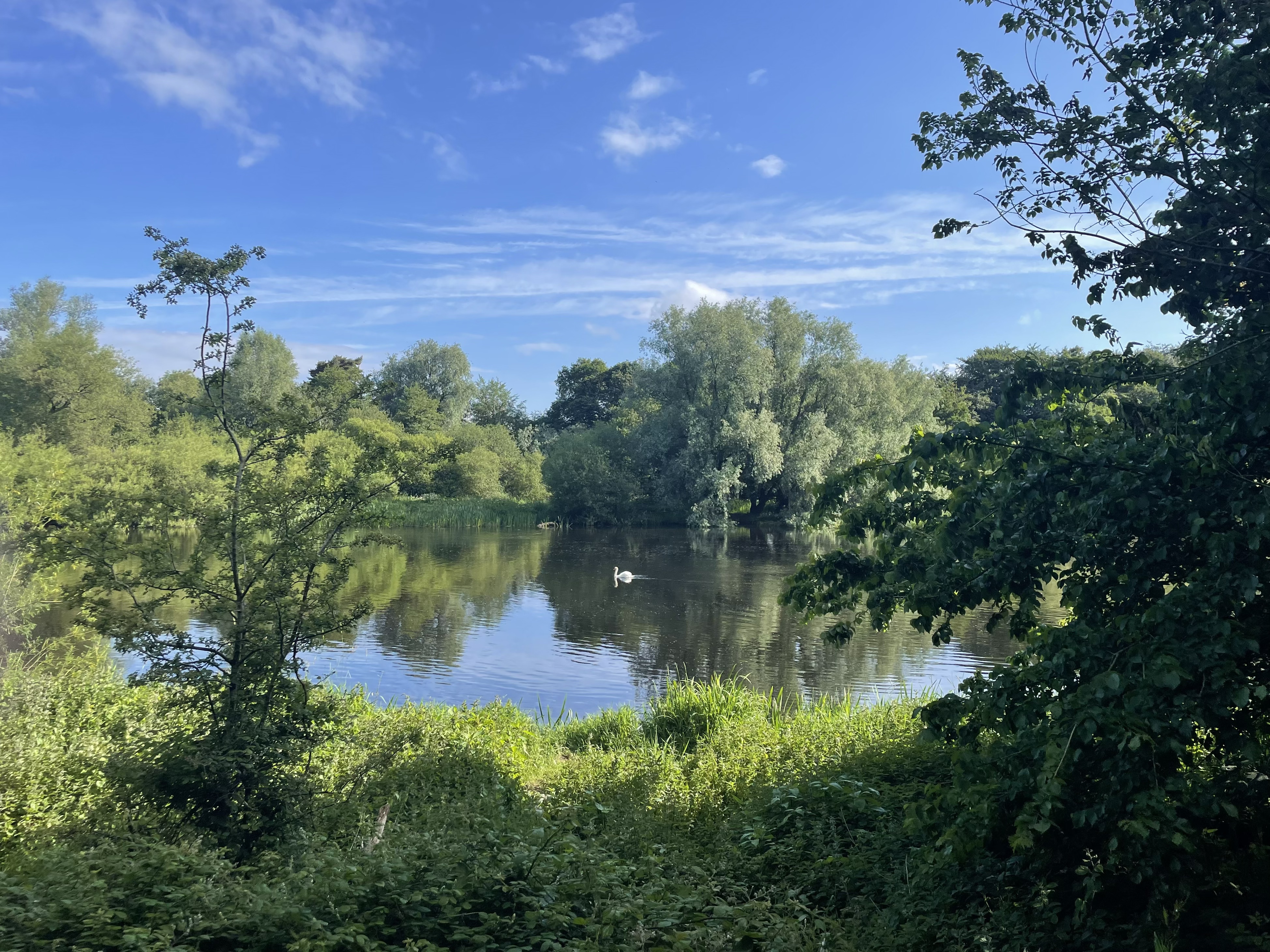
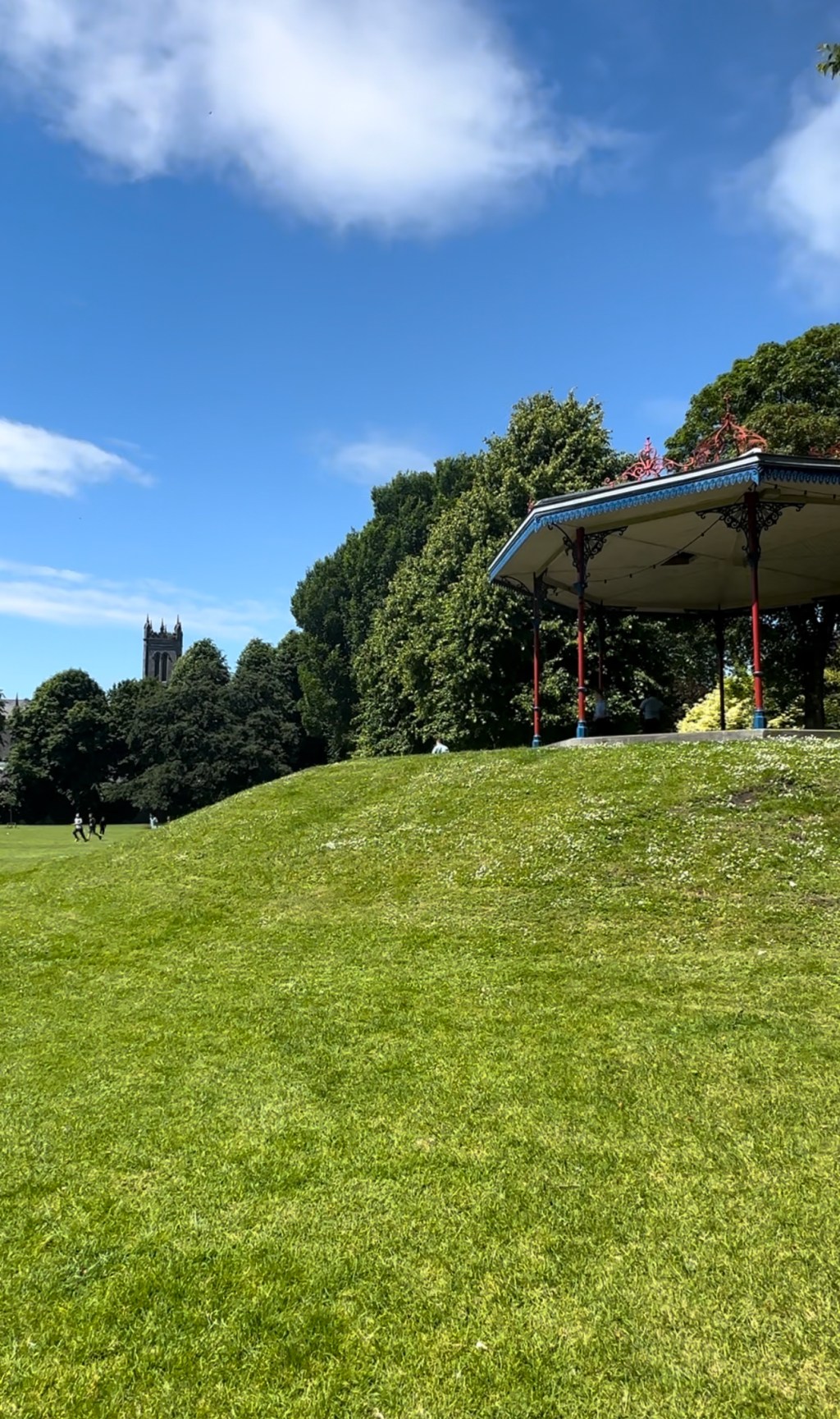
Having studied at two UK institutions founded in the 16th and 18th centuries, I found the scattered ancient buildings less exciting. UL’s North American-style campus was exactly the immersive environment I was looking for. Growing up in a busy metropolis but always dreaming of living in a forest, I couldn’t have found a better place than UL—and my room at Thomond Village in 2023/24 literally faced the forest!
My Master’s at UL
UL, to me, is like Oppenheimer’s Los Alamos—a place where the environment inspires, and potential is unleashed.
I loved being greeted by Marianne at the Library Café (and I still don’t know how she remembers my name despite seeing hundreds of students daily). I appreciated that CLS provided bedding for international students and kitchenware for everyone. I enjoyed smiling at dog walkers and petting their fluffy companions.
But most importantly, I found my passion and built a support network. I no longer felt lost in translation, wandering through a busy city wondering where I belonged.
Academically, I thrived—earning a QCA of 3.8/4 and making the President’s List every semester. My focus shifted from job hunting to pursuing a PhD, because I was genuinely happy and eager to explore further. Deep down, I hoped to stay at UL rather than move to Dublin (nothing against Dublin—it’s a vibrant city—but I feel more at home here).
How I Got Into My PhD Programme
My philosophy is simple:
You need to convince your potential supervisor(s) that you’re worth their investment—with clear evidence.
That includes:
– A solid understanding of the subject
– Demonstrated research potential
– Suitability for the programme
– Key personal traits (resilience, persistence, self-discipline)
– And yes, a bit of luck
1. Understanding of the Subject
If you’re not doing a conversion course, you probably already have a strong foundation. But if you are—like me—don’t worry, it’s still possible!
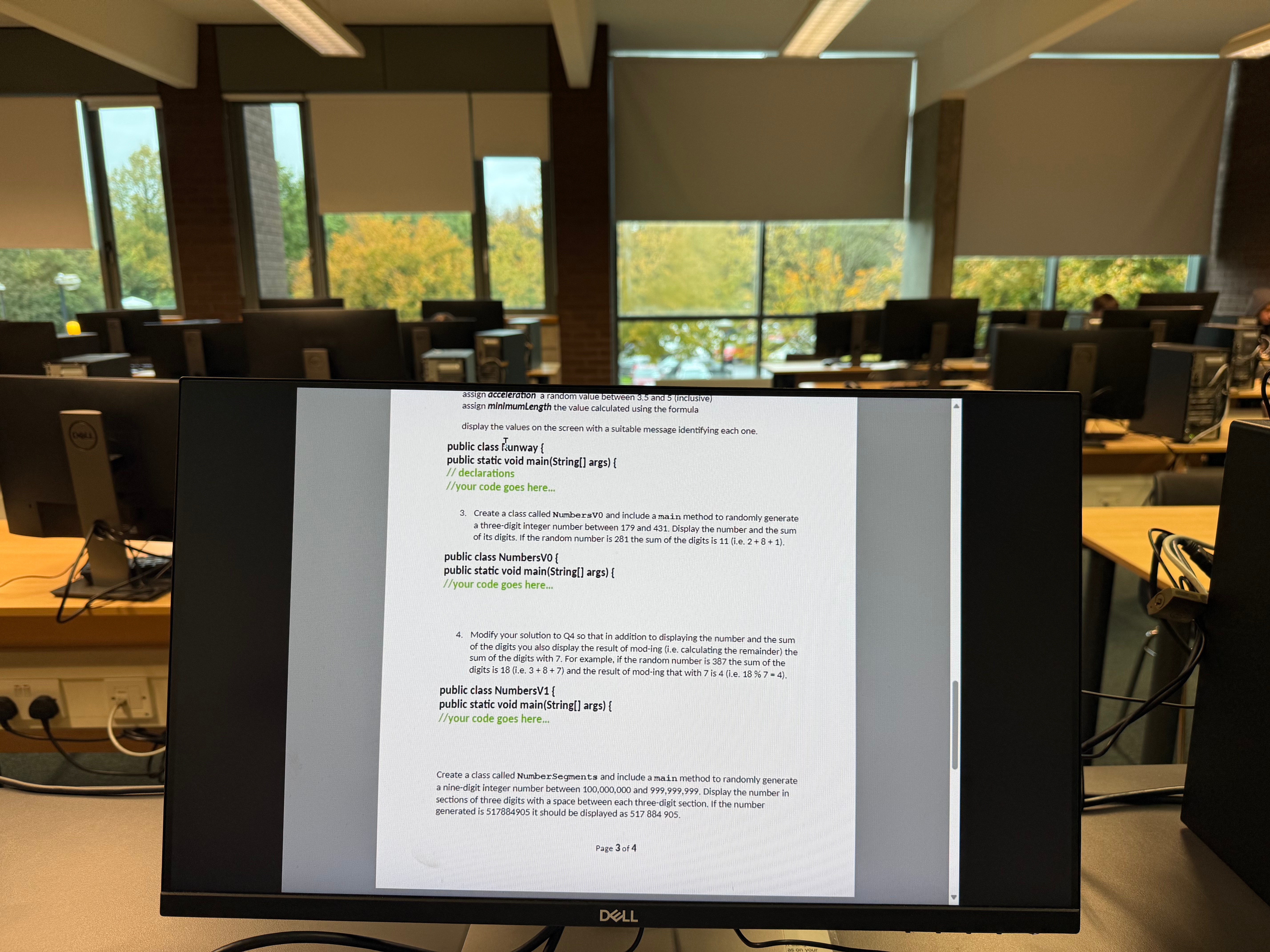
Go to your lectures. Professors pack their expertise into those sessions, and it’s far more efficient than self-teaching. Plus, it’s a great chance to observe their style and identify potential supervisors.
Labs and tutorials are goldmines for meeting TAs—who might become your PhD seniors next year. They’re not only great friends but also hold valuable inside info (e.g., which groups are recruiting, IRC deadlines, etc.).
2. Research Potential
Everyone’s path is different. I knew who I wanted to work with in my first semester. You don’t have to be that decisive, but it helps to choose your dissertation supervisor early and build that relationship.
Primary evidence from working directly with a professor is stronger than any reference letter. Keep grinding, ask questions, and show that you’re serious.
3. Suitability
PhD life isn’t for everyone—and it won’t magically solve your problems. When people say, “I hate my job” or “I want an easy life at university,” I get concerned.
Ask yourself:
– Do you care more about the topic or the team?
– Do you prefer working independently or in a large group?
– Are you okay with being self-funded?
There’s no one-size-fits-all answer. Be honest with yourself and gather info—especially from TAs!
4. Personal Traits and Motivation
This might be the most important factor. You can learn technical skills, but traits like communication, discipline, and tolerance for uncertainty are harder to develop.
5. Luck
Here’s my story: I contacted three research groups and got positive feedback from all. I interviewed in January and received my first offer a week later. But then, one industrial partner withdrew, and the project was terminated.
I was devastated. But a few months later, I was accepted by another group—one that aligned even better with my interests. I started my PhD a week after my graduation from my master’s.
The only constant is change. Have faith in yourself.
Even if you do everything right, things might not work out—but that’s not the end of the world.
Afterwords
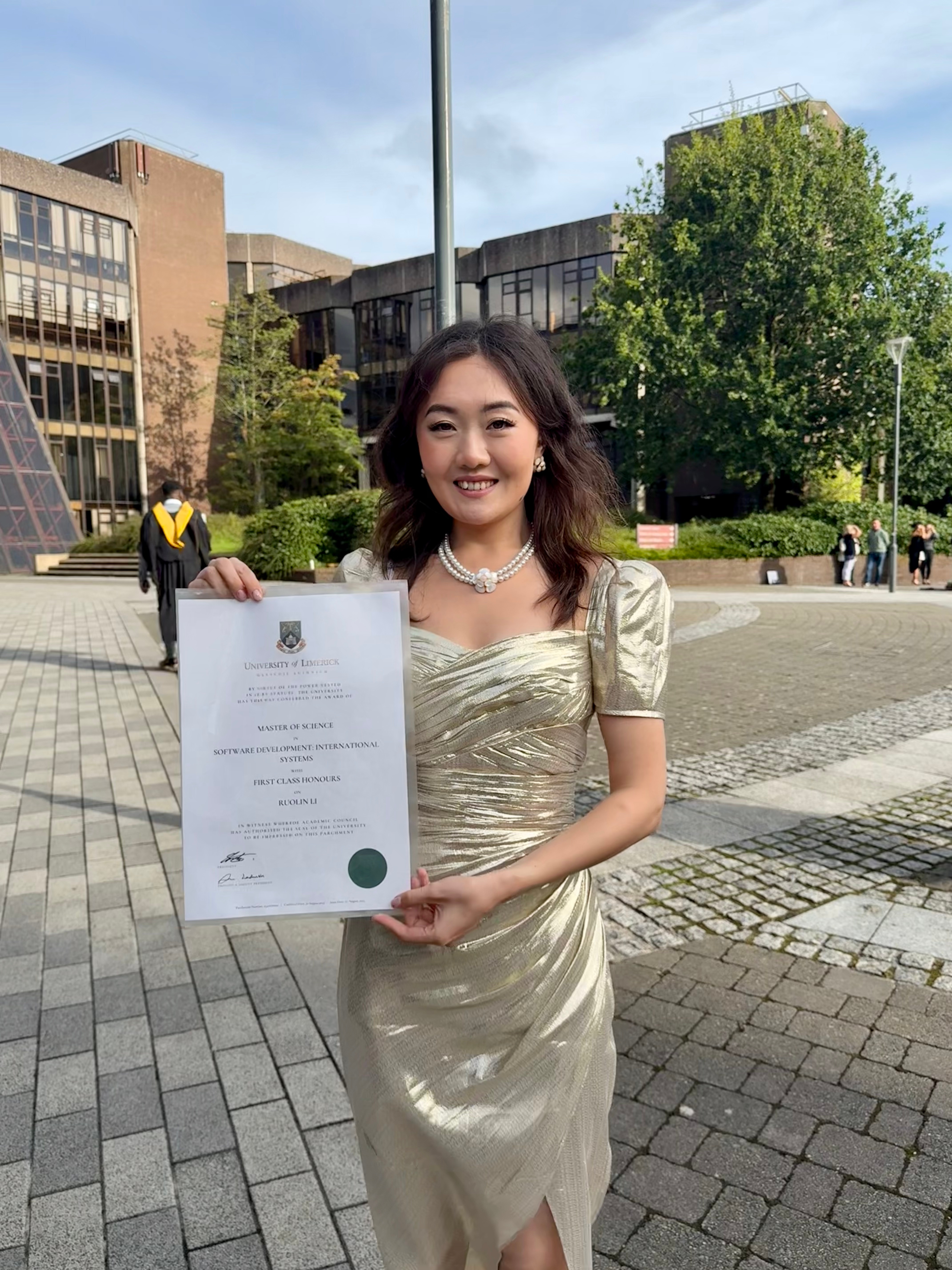
I’m now enjoying the life I built for myself, and I wish the same for you.
Thank you so much for reading. If there is one takeaway from this article, let it be this:
Forget about what happened in the past and focus on what you can do now.
It’s okay to have a 2:2 and still want to do a PhD.
It’s okay to lose a fully-funded offer—people forget quickly.
It’s okay to apply late in the academic year—many PhD students don’t start in September due to visa delays or funding cycles.
The journey is long and winding—but you’ll love it.


 Study Ireland - Stories & Guides from International Students
Leave a comment