
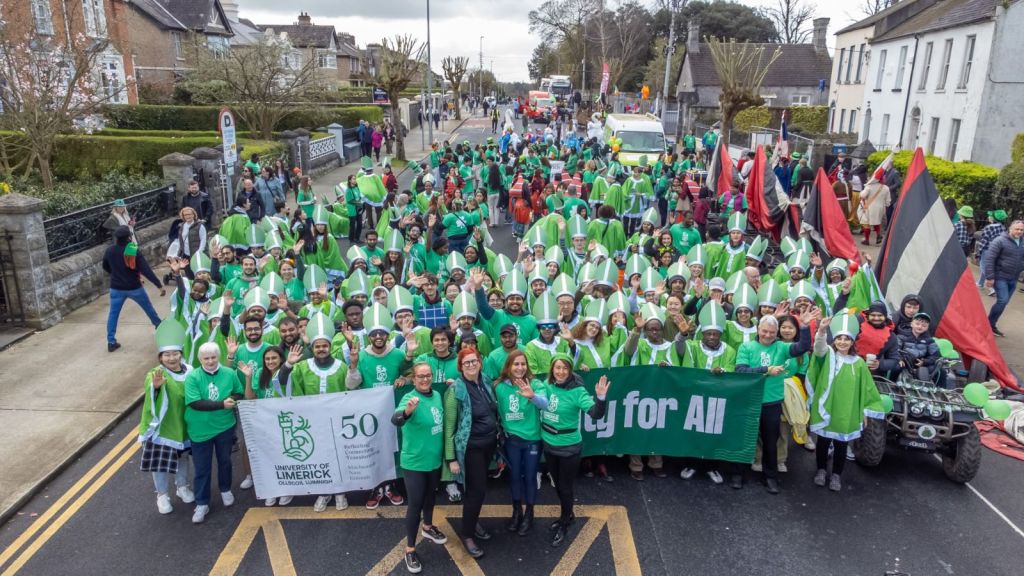
When one thinks of Irish traditions and celebrations, perhaps the first considered is Lá Fhéile Pádraig, or St Patrick’s Day. Known practically as being synonymous with Ireland and everything Irish, it is what people the world over associate largely with this country. Many Irish diaspora members as well as those with an avid interest in Irish culture observe this day in their own localised ways, demonstrating the united Irish intrigue which connects all revellers, including UL students interested in partaking.

St Patrick’s Day, or the Feast of St Patrick, is a holiday with both religious and cultural connotations. Made an official Christian feast day in the early 17th century and held 17 March annually, it commemorates the eponymous patron saint of Ireland, who died circa 461 CE. By extension, it also recognises Christianity’s arrival in Ireland, Irish culture and heritage at large.

The exact celebrations held on this day differ depending on the exact location. Generally, parades, festivals, céilithe, or social gatherings, listening to traditional Irish music and/or films and the wearing of green clothing and shamrocks on the lapel are common. Some religious observers also attend religious mass services.
In Dublin, the annual Parade garners regular acclaim through its festive procession of components highlighting everything Irish in both Ireland and abroad. This year, the Parade will showcase seven large-scale pageants, six showpieces and 12 marching bands from throughout Ireland, Austria and North America, resulting in what is expected to be the largest event of its kind, attracting more than 4,000 participants and more than 500,000 attendees. Other events, such as the City Funfair from 15 to 17 March and In the Footsteps of St Patrick guided history walk, will be held for those looking to enhance their experiences.
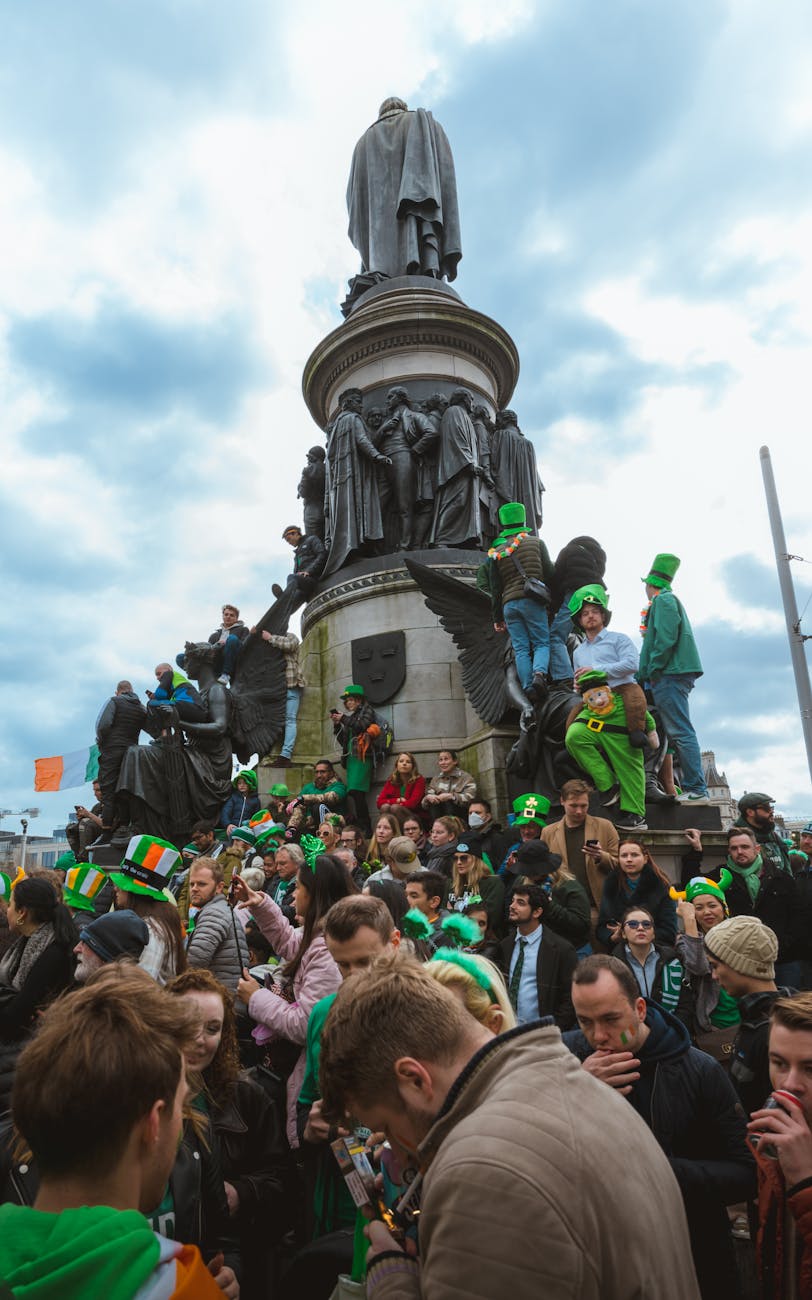
Limerick will also hold its St Patrick’s Day festival from 15 to 17 March this year. ‘A More Fun Limerick’ is this year’s theme, and the Parade, for which a crowd of tens of thousands of people is anticipated, will start at 12:00 on the 17th on O’Connell Street, continuing on Henry Street and concluding at Arthur’s Quay Park. The official festival programme is still being created as of this writing, though at least one other event, the 53rd Limerick International Band Championship, which involves marching bands from throughout Ireland, Europe and the US compete in Ireland’s only International Band Championship to become International Band Champions, will occur at 12:00 on the 16th on O’Connell Street. This series of events will be exciting for UL students in particular as attendance requires just a quick trip to Limerick City.
The Irish diaspora celebrates St Patrick’s Day differently than in Ireland. With Irish people living worldwide, celebrations are held in places from North America across the pond to Oceania in the farthest reaches. For example, Australia holds its annual St Patrick’s Day Parade and Family Day in Sydney, the only event outside Ireland which the Irish government both organises and funds, as well as week of activities, competitions, races and a concluding parade in Perth. Similarly, Argentinians enjoy the annual Buenos Aires street party replete with Irish music and dancing from dance troupe Celtic Argentina and others and Singapore, in perhaps the most multicultural of all international celebrations, sees participants don costumes, dye the Singapore River green, attend a parade led by a Harley-Davidson motorcycle convoy and dance at the St Patrick’s Society Ball at the Shangri-La Hotel – with this year marking its 100th anniversary. Irish is in the air worldwide.
Certain celebrations endemic to North America have influenced modern celebrations significantly. They have also, however, faced criticism of being too commercialised as well as portraying negative Irish stereotypes. Though it may be tempting to engage in these events, considering the ramifications of doing so is also necessary – especially to honour St Patrick’s Day rather than reduce its importance. After all, St Patrick’s Day is celebrated in more countries than any other national festival globally, so it is imperative all interested participants partake in the festivities appropriately.
St Patrick’s Day is perhaps the most known and visible of Irish culture, religion and identity around our world. From Dublin to Singapore, unique celebrations honour both the titular figure and country. UL learners looking to experience this marvellous day can do so easily, and enjoying this key celebration with the local community can produce a sense of belonging since the spirt of St Patrick’s Day rests within the hearts of those who are Irish by location, affiliation and feeling. The beauty of this day, as the Irish diaspora demonstrates, transcends both borders and background, allowing everyone to enjoy this monumental Irish entity.
To learn more about Dublin’s St Patrick’s Day Festival, please view its official web page. For more information on Limerick’s Festival, please check its official Limerick.ie web page.






Leave a Reply