

Joy tends to be the focal point of the end of each calendar year. To a large extent, there is food to be eaten, presents to be exchanged, family and friends to visit and cheer to spread. With major holidays occurring around the end of each year, however, other significant days are often overshadowed by their colossal counterparts. One such day is Saint Stephen’s Day, also called Boxing Day in Commonwealth nations.

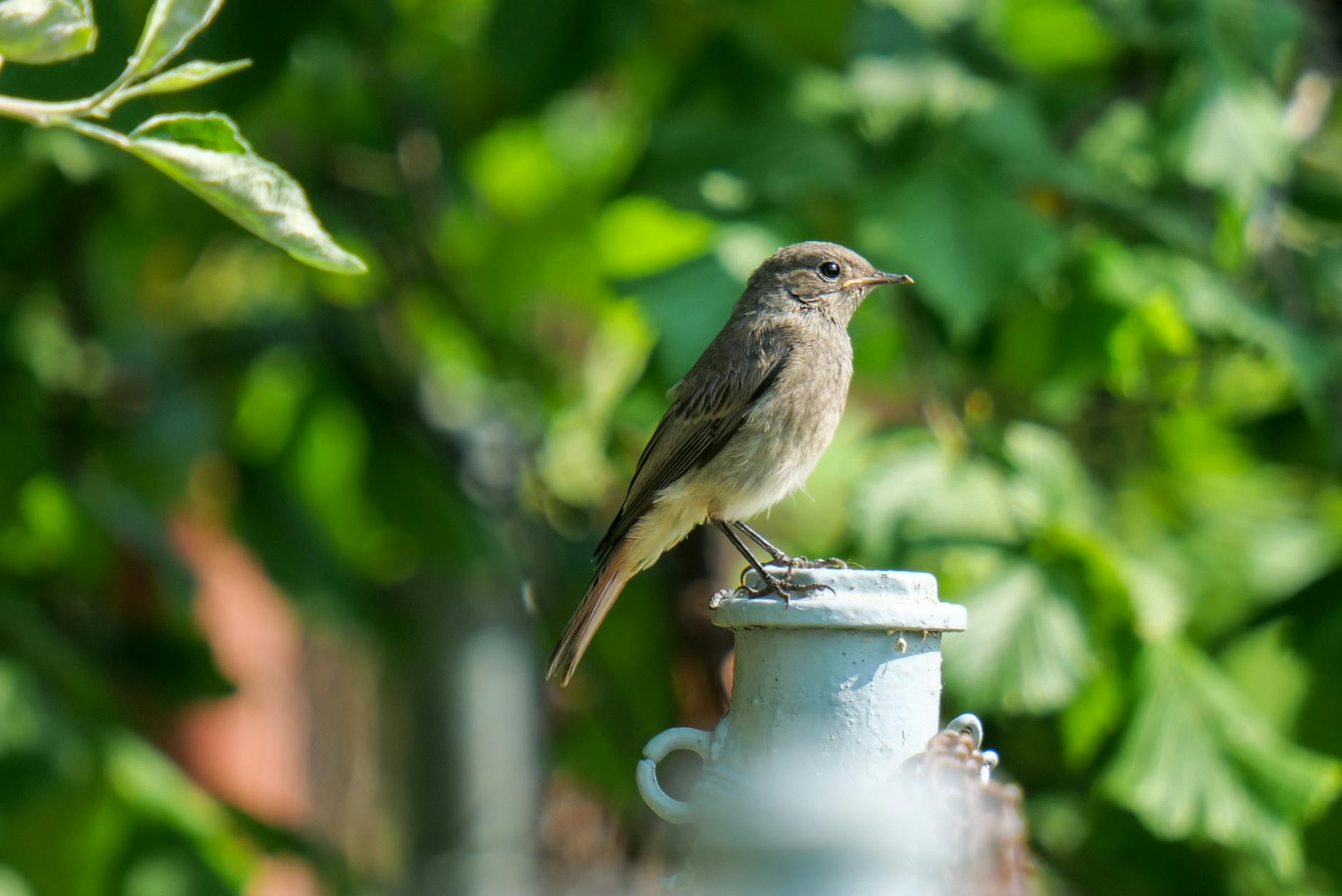
St Stephen’s Day, or the Feast of St Stephen, is a Christian saint’s day observed 26 December in Western Christianity and 27 in Eastern Christianity commemorating the eponymous saint who was stoned to death in 36 CE, becoming the first Christian martyr. Various reasons for his death have been suggested, including a wren betraying him whilst he was hiding from his enemies and a wren alerting invading Vikings of his presence by eating crumbs from a nearby drum. Irrespective of how Stephen died, his life, legend and legacy carried on after his passing, leading to numerous observations in his honour.

Today, St Stephen’s Day is celebrated throughout Europe as well as in Australia, New Zealand, Canada, the United Kingdom and South Africa, all of which deem it Boxing Day. In Ireland Lá Fhéile Stiofáin, or St Stephen’s Day, also known as Lá an Dreoilín, or Wren Day, both refers to different legends found in Irish mythology and is one of 10 official public holidays. It is also considered by some people the second day of Christmas. On this day people, sometimes called wren boys or mummers, wear old clothes, straw hats, paint their faces, dance, sing and play traditional music and move from door to door with fake wrens to collect money for local charities.
Except for pubs most Irish businesses are closed on St Stephen’s Day. In Dublin’s Temple Bar area, for instance, pubs are typically packed with people meeting their friends and feature traditional Irish food and substantive conversations and live music, with musicians often encouraging the public to sing along. More religious individuals may attend special church services to remember Stephen’s life. Additionally, a Mummer’s Festival is held annually in the village of New Inn in County Galway and Dingle in County Kerry. People often visit family as well as attend pantomimes at participating theatres.
As mentioned previously, St Stephen’s Day is observed in the UK and particular Commonwealth countries as Boxing Day. It originated during the Middle Ages as a day where servants, tradespeople and the indigent were offered gifts in boxes, either from their employers or local churches – hence the name. These days, Boxing Day is associated largely with shopping as well as sporting, including rugby, football, horse racing, cricket and, yes, boxing. Still, the tradition of giving gifts to people in certain professions can be found, such as when postal carriers, bin collectors and other workers receive items for their contributions to society.

Wherever we find ourselves this December, let us all remember the values of kindness, compassion, joy and goodwill inherent in both St Stephen’s Day and Boxing Day as they transcend the calendar box on which they are marked.



 Study Ireland - Stories & Guides from International Students
Leave a comment