
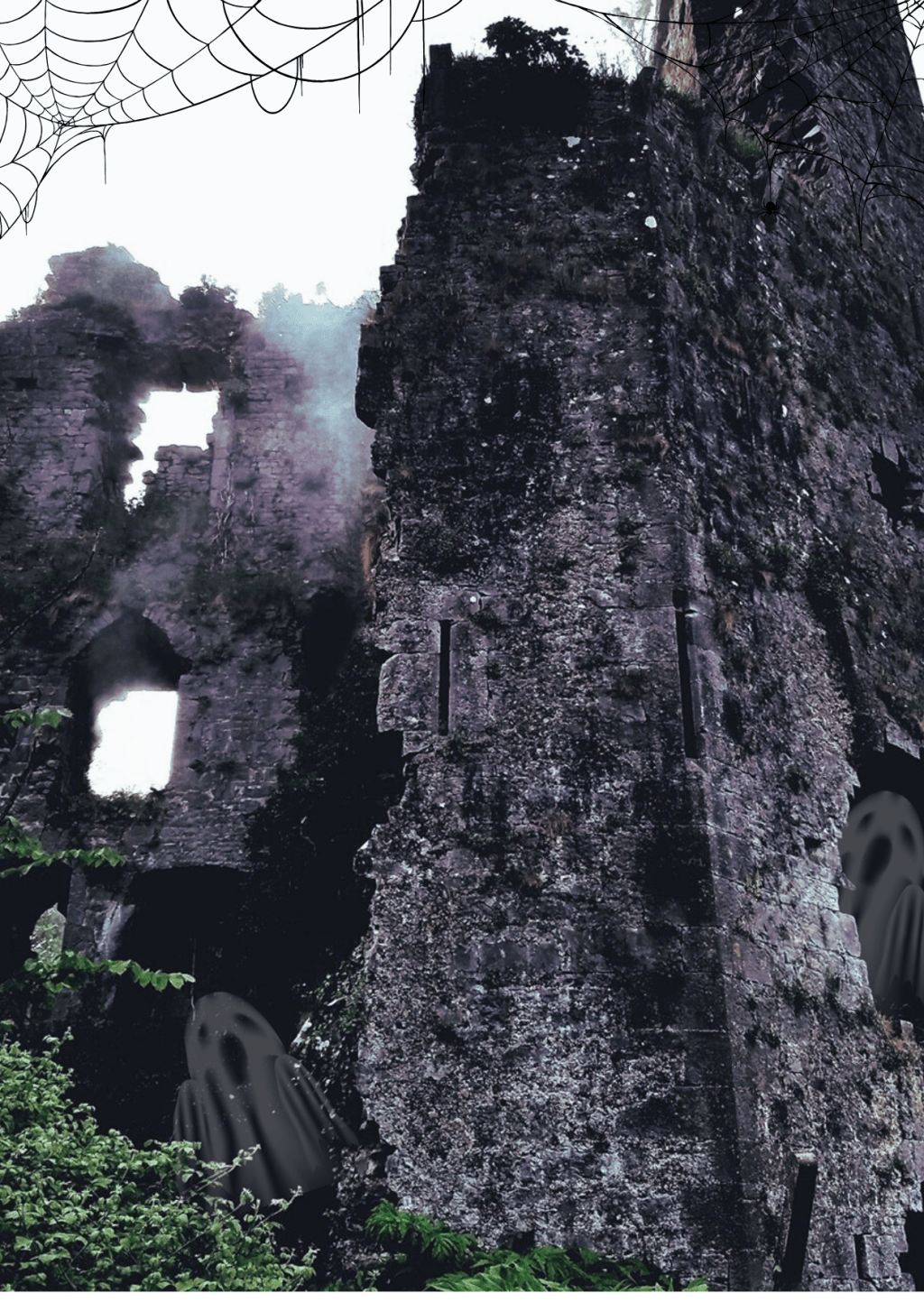
Read UL Global Ambassador MA in European Studies student Hunter’s blog about Halloween origins:
There is a certain day each year which prompts the scary, eerie and macabre to rise, when the strange and bizarre are celebrated rather than feared. This same day sees children dress as their favourite creatures and characters whilst prowling for succulent sweets. Yes, this day is cherished as Halloween by many of its global adherents. Halloween, however, is not observed uniformly worldwide as each localisation is endemic to its given area. A common thread unites all these entities, though: They all stem from Halloween’s Irish origins.
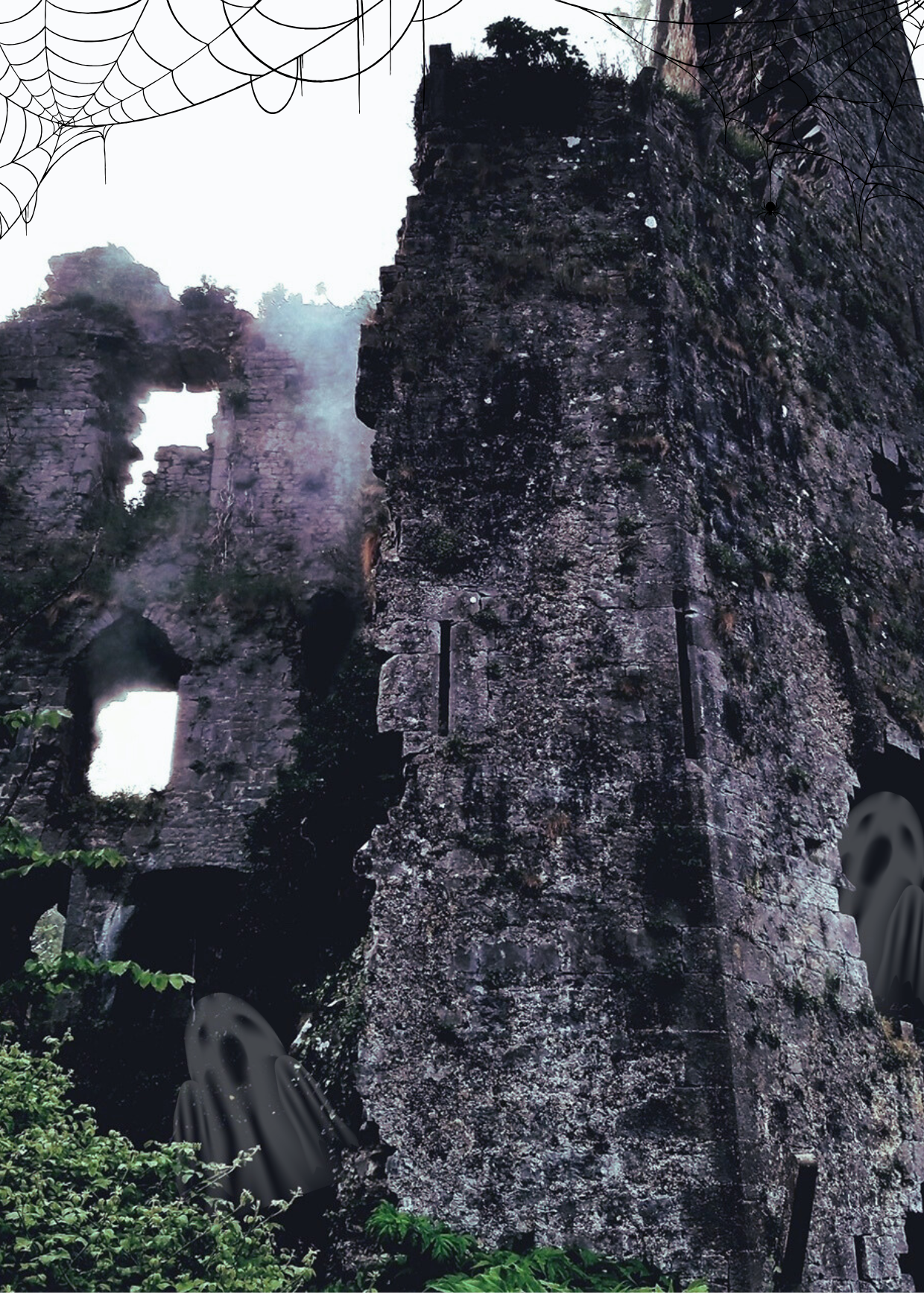
What is called Halloween in many countries today began more than 2,000 years ago as Samhain, a pagan celebration, in Ireland. Samhain, observed traditionally from 31 October to 01 November, was a Celtic festival centred the annual harvest’s conclusion and start of winter. It involved numerous rituals and acts, all of which began in Ireland and yielded the modern Halloween.

Samhain was celebrated 31 October due to the common belief it was, due to the dark winter nights which followed, the day the portal between the real and supernatural worlds blurred, releasing Aos Sí, or spirits, púcas, or ghosts, and banshees into our world to cause mayhem. The spirits of family and close friends were also believed to have returned visit their loved ones. Samhain events included communities enjoying feasts whilst leaving fires burning as well as wearing costumes and masks to disguise themselves from other evil spirits nearby alongside their specially crafted crosses to protect themselves against evil forces– hence the contemporary concept of dressing up on Halloween.

These traditions continued throughout the centuries. The mass emigration of more than 2 million people from Ireland during the Irish Potato Famine of 1845-1852 saw these customs spread around the globe, reaching new audiences. Today, people across Ireland celebrate Oíche Shamhna, or Halloween, by emulating their favourite figures, eating candy, playing games, visiting family and friends and enjoying the day’s spookiness.
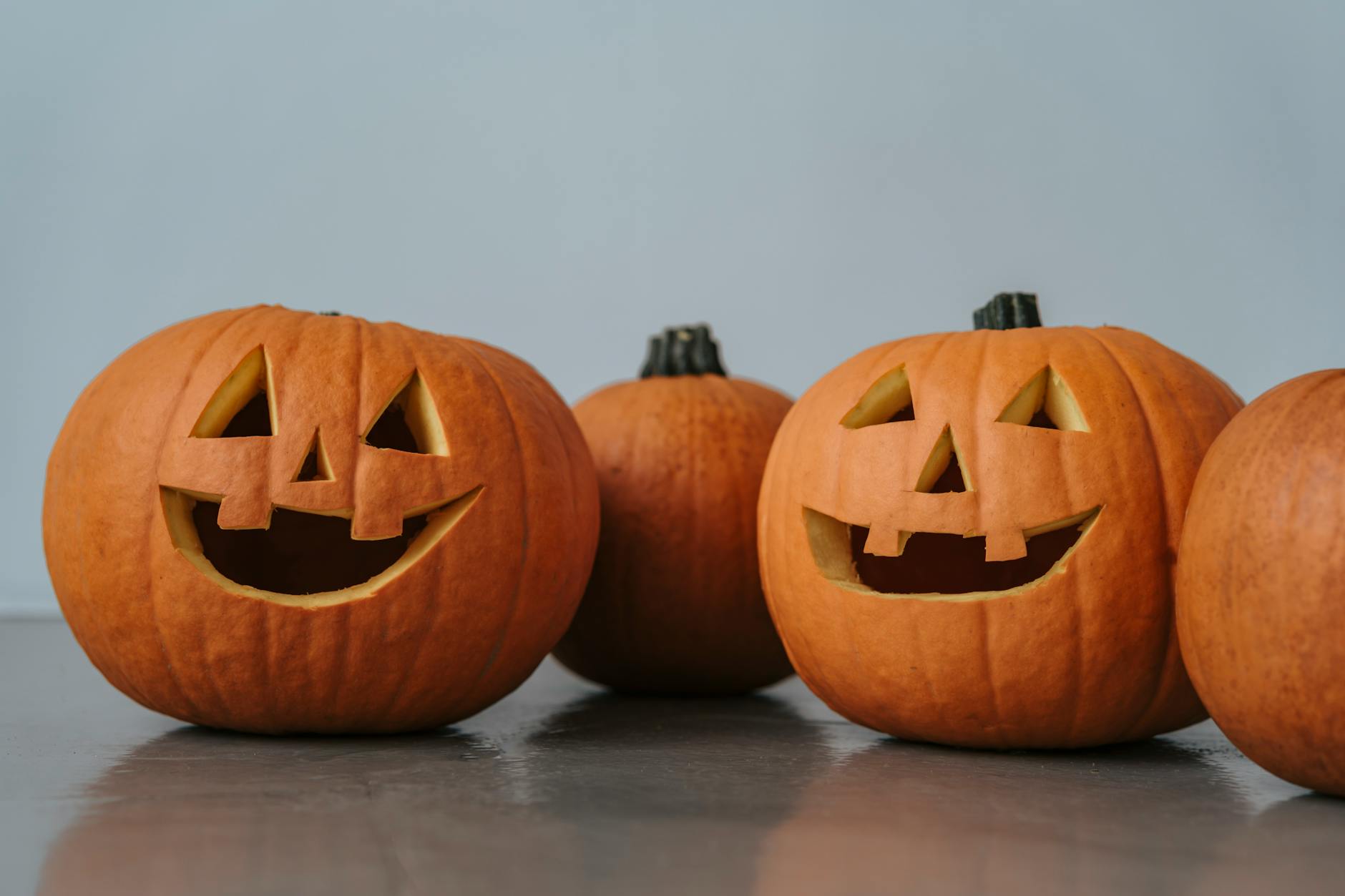
Various other present versions of Halloween exist, with each one operating in different relations to its religious connotations. Typical Halloween experiences, for instance, include individuals trick-or-treating, carving pumpkins, telling ghost stories, watching horror films and otherwise instilling fear within themselves as well as others. More religious society members may opt to attend church services, light candles on the graves of the dead and refrain from consuming meat. These varied practices are reflected in part through names like All Hallows’ Eve (31 October) and All Saints’ Day (01 November).
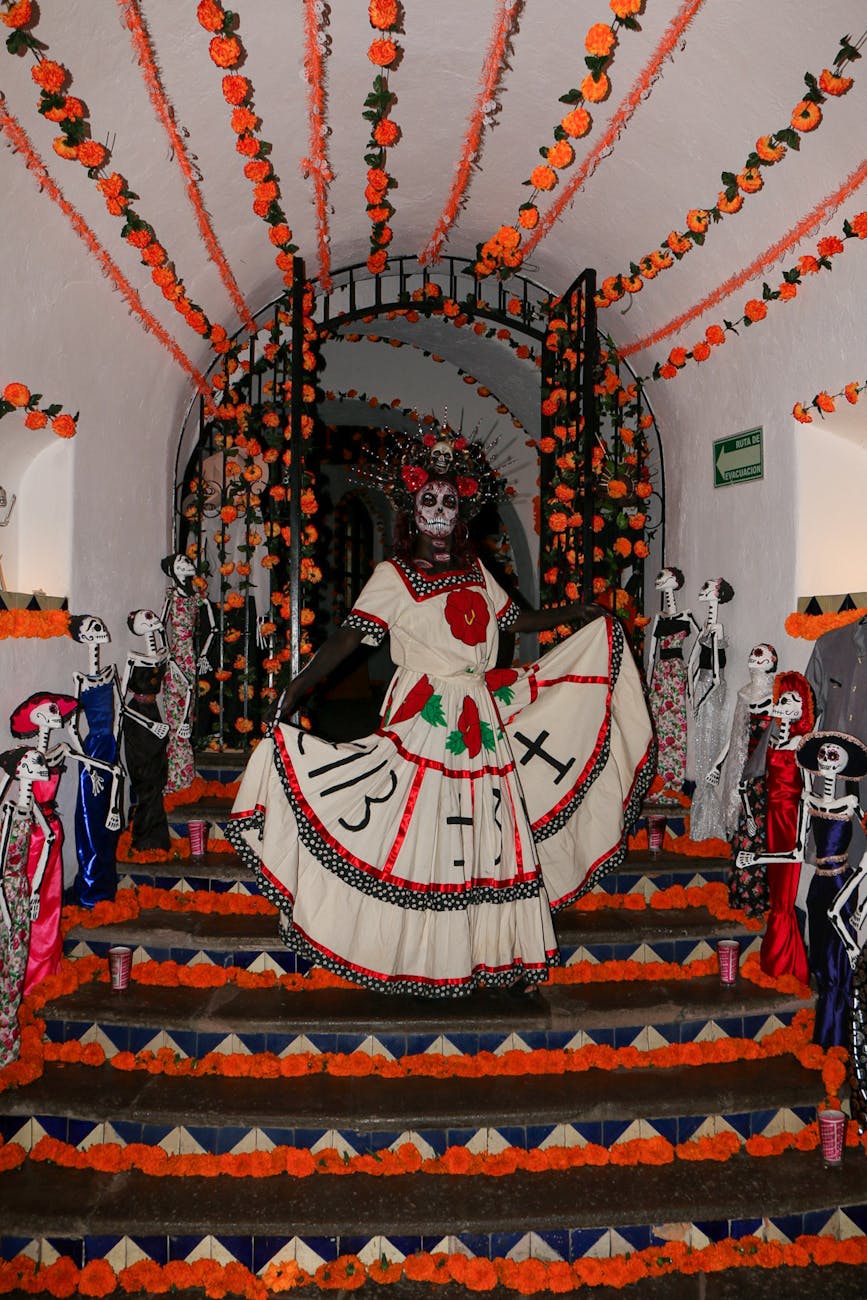
Samhain, Halloween and other indigenous celebrations share many similarities during this time of year. A vivid example is Día de los Muertos, or Day of the Dead. Observed in Mexico annually from 01-02 November most years, this day commemorates the deceased through communal prayer, worship, gift-giving and celebration of life. Sugar skulls and other intricate symbols of this day have permeated our world’s cultural intelligence, cementing itself as a modern Mexican (and global) mainstay. Día de los Muertos is also believed to be the time of year when the veil between the physical and spirit worlds is thinnest.
Irrespective of the exact Halloween traditions observed, all share the core components of family, friends, (some) fear and fun. Go out, enjoy the ominous atmosphere and embrace the wonders around you. Oh, and try not to get too spooked… if you dare – bwahaha!
Oíche Shamhna Shona Duit!/Happy Halloween!
Update:
Limerick’s 2024 Samhain festival did not disappoint. Held from Thursday, 24 October, to the end of the month, the city centre transformed into a hauntingly beautiful setting for everything frightfully festive. From House of Changes, a five-hour group improvisation led by artist Mícheál Keating at Ormston House, to Candlelight: A Haunted Evening of Halloween Classics, an orchestral tribute to popular scary songs at St Mary’s Cathedral, there was something for everyone to enjoy. I attended two events: Spirits of Samhain: An Ancient Burial Place with Paul O’Brien and Lumen Street Theatre’s Fire and Shadows Parade. The first involved costumed historian Dr Paul O’Brien and company at St John’s Graveyard telling listeners terribly true tales of intrigue which happened both in and around Limerick predominantly in the 19th century whilst leading them around the grounds. That the night was replete with fog as we walked past the massive Greek-inspired mausoleum was particularly apt. The second featured a parade, the festival’s main event, of ghosts, ghouls and Samhain-inspired frights near the Potato Market. Watching giant creatures of Celtic creation pass by on the grounds of their origin was spookily sublime. Both events were excellently exhilarating, and I am grateful to have been part of Limerick’s Samhain experience this year.
To learn more about Limerick’s 2024 Samhain events, check out the official Halloween in Limerick 2024 guide.



 Study Ireland - Stories & Guides from International Students
Leave a comment