
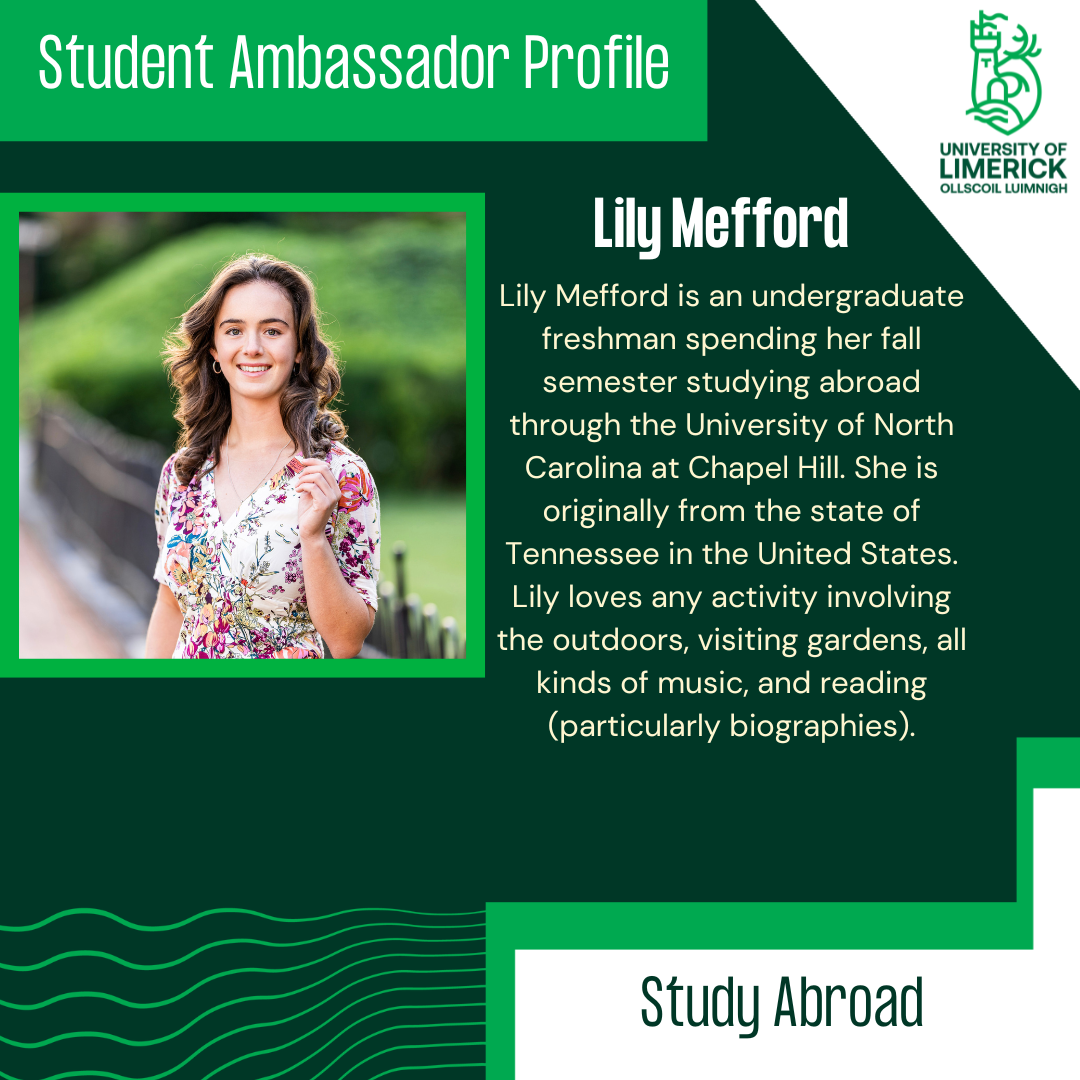
Read Lily Mefford’s blog about the similarities and differences she noticed between Irish and US Halloween celebrations! Lily is a UL Global Student Ambassador joining us for her Study Abroad all the way from Southern Appalachia!
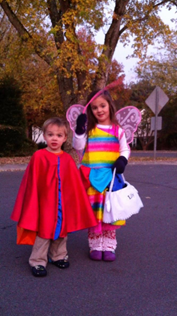
Never in my life did I think I would get to experience Halloween in another country as an 18-year-old studying abroad, but here we are! Throughout my childhood, many of my friends were Halloween fanatics. I have memories from my early childhood dressing up as a fairy when my mom made me a costume. Hands down, the most amazing thing I have ever worn. I find the entire holiday very interesting, given its history and basis. Experiencing Halloween in the United States has made me curious about how other countries recognize the holiday, if at all. Being in Ireland for the semester has made me inquisitive of what, if any, differences exist between Halloween in Ireland versus the United States.
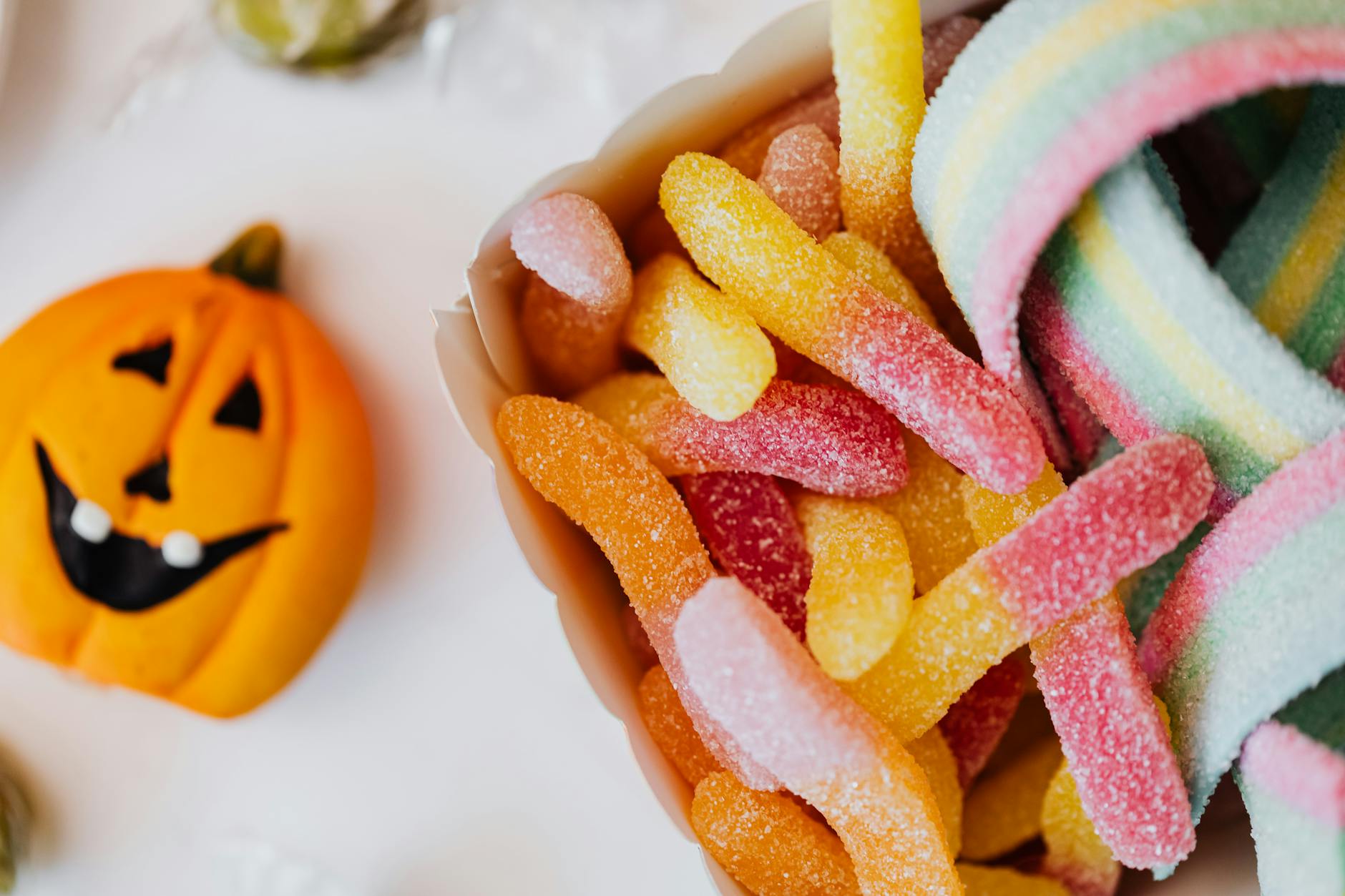
It is widely known that the United States heavily emphasizes the “treat” side of Halloween. The average American consumes 3.4 pounds of candy on Halloween, according to The Economic Times (Special). For children, this usually amounts to around 7,000 calories, which is equal to three cups of sugar.
Having lived in Ireland for about two months, I have noticed many cultural differences between my home and Ireland. However, having not experienced Halloween (or any holidays I have any context for) in Ireland yet, I was curious to explore what Halloween means to Irish people and how it is celebrated differently than what I was used to in the United States as well as other areas of the world.
History
About 2,000 years ago, Halloween began as a celebration in Ireland. It started as a Pagan celebration of the fall harvest and the beginning of winter, part of a festival called Samhain. It was celebrated from the thirty-first of October to the first of November. Samhain is a holiday that brings many types of celebrations and customs, all of which came together to create what Irish people now know as Halloween.
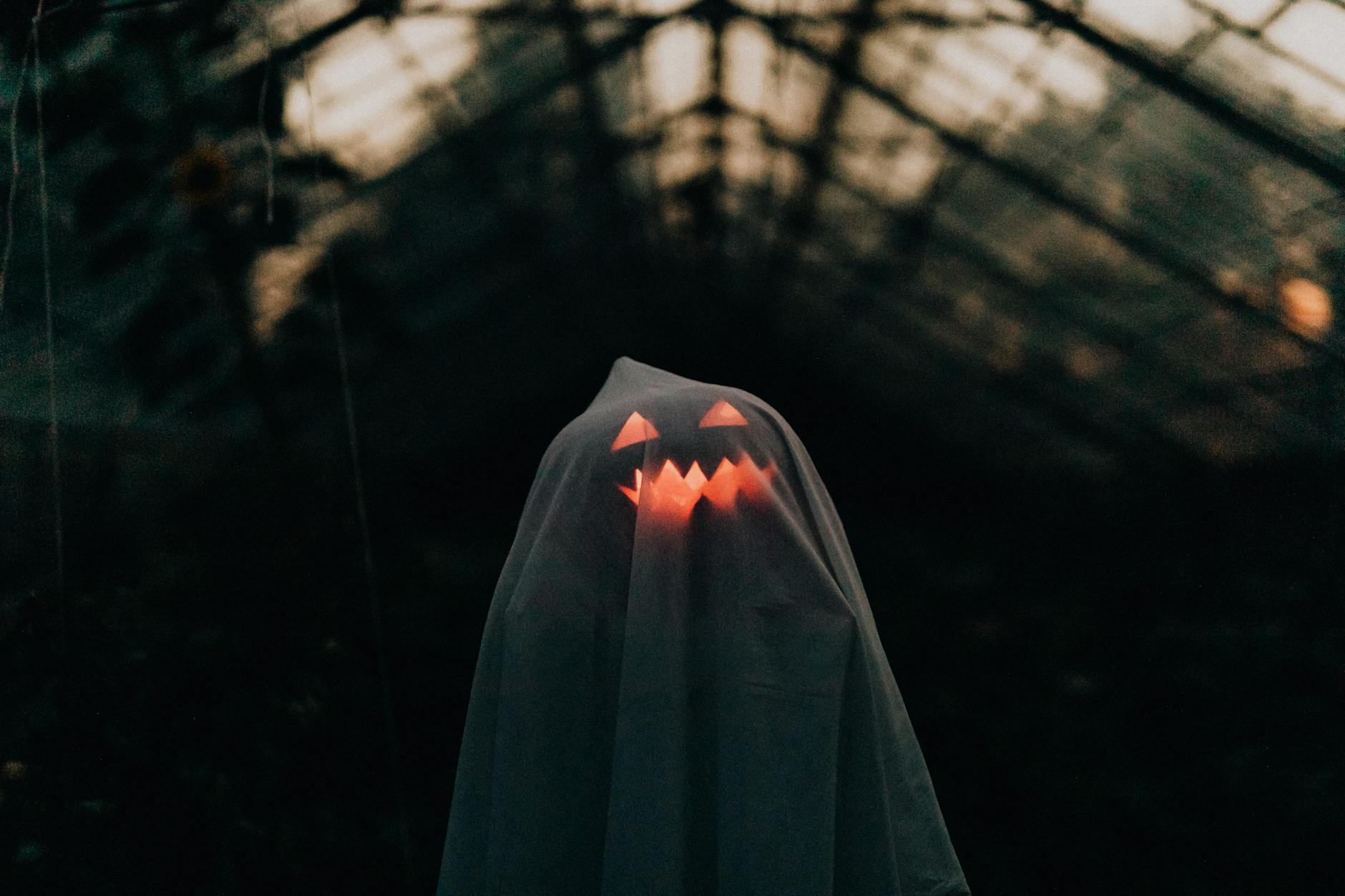
The thirty-first of October has always been a date with an eerie connotation in Irish culture; it was thought to be the day that the portal between the real world and the “other world” became blurred. Scarily, this meant that the spirits and ghosts (aos sí and púkas in Gaelic) may slip into our world and wreak havoc. Furthermore, interestingly similar to the “Mexican Halloween” Día de Los Muertos, Irish Halloween recognizes the re-entry of deceased loved ones back into our world. Flames are lit for these spirits and a feast is had. Because evil spirits are thought to be roaming the Earth on Halloween, Irish people began wearing masks to disguise themselves against evil spirits that may be roaming. As the Irish still do today, and many people worldwide, this is how the concept of dressing up for Halloween was born. In the modern day, Halloween in Ireland is when citizens come together to dress up, spend time with one another to celebrate life, and, of course, have lots of sweet treats! In 1845, when the Great Famine overtook Ireland, and over 2 million Irish people immigrated elsewhere, customs and traditions followed, hence the spread of many Irish Halloween traditions to other areas of the world.
American versus Irish Celebrations
This brings me to my experience with Halloween and how it is similar to what I envision Halloween in Ireland is, based on research. For starters, less candy is consumed in Ireland, perhaps due to the differences between American and European food cultures. One key difference I have chosen to focus on is the fact that American Halloween focuses less on the celebration of life than Irish Halloween does; this is, of course, from the vantage point of making Halloween more of a cultural experience than simply a consumer holiday. In Ireland (and Mexico for instance), Halloween is a spiritual celebration; whereas in the United States, I have experienced Halloween slowly diverging into a time when corporate companies capitalize on consumer tendencies and don’t care much about the deep culture that exists behind the holiday. While I enjoy celebrating Halloween with my family and friends back home, after seeing how other cultures celebrate the holiday, it is clear that American Halloween is more of a retail extravaganza than anything.
Reflection
As I prepare to celebrate my first Irish Halloween, I look forward to the celebration I am used to back home, along with new additions to this celebration from Irish culture. If the Irish culture is anything like what I have experienced in my first (almost) 2 months here, I am confident it will be filled with rich culture, a neat diversity, and joy to discover new things.
Works Cited
Dorset College Dublin. “The History of Halloween in Ireland.” Dorset College Dublin Business, IT Computing & English Language School, https://dorset.ie/the-history-of-halloween-in-ireland/. Accessed 15 Oct. 2024.
Special, E. S. (2022, October 31). Halloween Candy: How much is too much? Economic Times. https://economictimes.indiatimes.com/news/international/us/halloween-candy-how-much-is-too-much/articleshow/95212486.cms?from=mdr





 Study Ireland - Stories & Guides from International Students
Leave a comment